What Is an e-Signature and Why It Matters for Modern Business
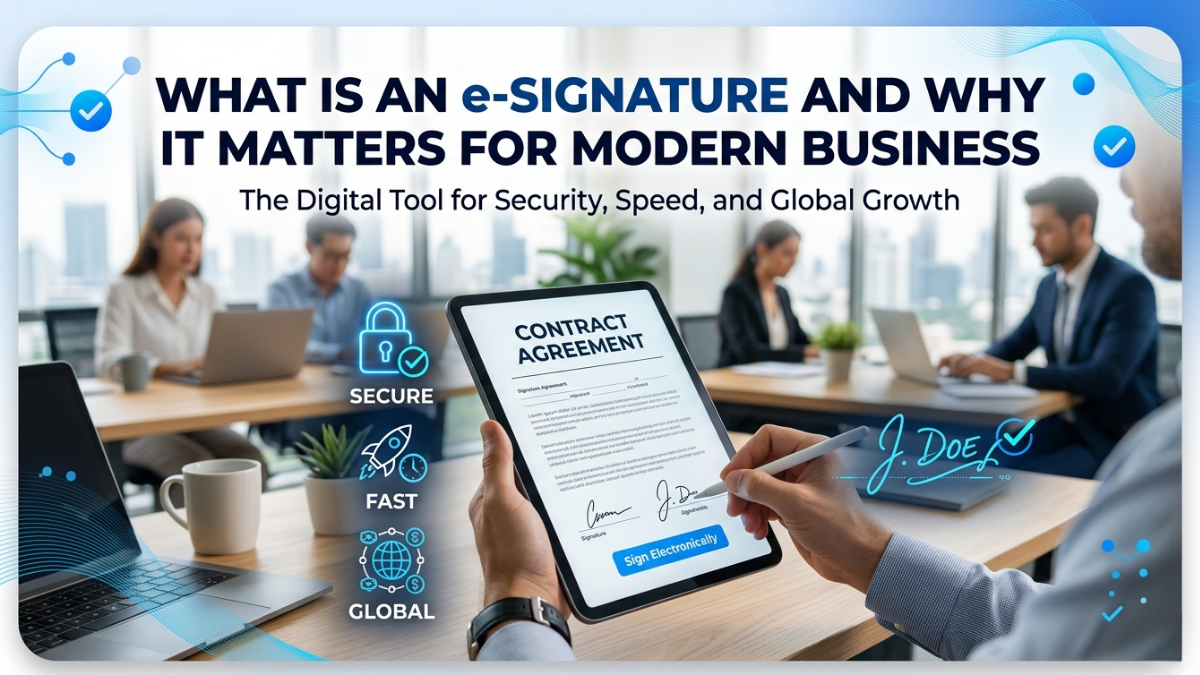
In today’s fast-paced digital landscape, efficiency is king, and e-signatures are leading the charge. Gone are the days of printing, signing, and scanning documents; now, businesses can streamline agreements with a simple click.
Introduction
In today’s fast-paced digital landscape, efficiency is king, and e-signatures are leading the charge. Gone are the days of printing, signing, and scanning documents; now, businesses can streamline agreements with a simple click.
e-Signatures offer numerous advantages that can positively impact workflow and improve customer experience. They:
- Accelerate processes: Deals that once took days can often be completed in mere minutes.
- Enhance security: Many e-signature platforms provide encryption and authentication features that protect sensitive information.
- Cut costs: By eliminating paper and mailing expenses, businesses can save significantly.
Consider a small firm that adopted e-signatures for client contracts. Within months, they reported a 30% increase in signed agreements and a noticeable boost in client satisfaction.
Adopting e-signatures isn't just about keeping up with tech trends; it’s about staying competitive. Understanding how they work and integrating them into your business can yield significant benefits. Let’s explore what e-signatures are and why they are essential for modern enterprises.
Understanding e-Signatures
E-signatures, or electronic signatures, are digital representations of a person's intent to agree to the contents of a document. Unlike traditional handwritten signatures, e-signatures can be created using various electronic means, such as typing a name, drawing a signature on a touchscreen, or using cryptographic methods.
Key features of e-signatures include:
- Legality: In many countries, e-signatures are legally binding and recognized the same way as handwritten signatures. For instance, the ESIGN Act in the U.S. and the eIDAS regulation in the EU provide a legal framework for their use.
- Security: E-signatures often employ encryption and authentication methods to ensure the integrity and authenticity of the signed document. For example, platforms like DocuSign use multi-factor authentication to verify the signer’s identity.
- Convenience: E-signatures streamline the signing process, allowing documents to be signed from anywhere. A real estate agent can send a contract to a client in another state, who can sign it instantly from their mobile device.
Pro Tip: Always choose a reputable e-signature provider that complies with legal standards to enhance your business's credibility and security.
Definition and Overview
An e-signature, or electronic signature, is a digital version of a handwritten signature that validates the authenticity of a document. It can take various forms, such as a scanned image of a signature, a typed name, or a unique symbol. E-signatures are legally binding in many countries, including the United States, thanks to laws like the ESIGN Act and UETA.
Key aspects of e-signatures include:
- Convenience: Sign documents anytime and anywhere, reducing the need for physical paperwork.
- Speed: Transactions are completed faster, enhancing business efficiency.
- Security: Advanced encryption methods protect the integrity and confidentiality of signed documents.
For example, a real estate agency may use e-signatures to expedite lease agreements. This not only speeds up the process but also improves customer satisfaction.
Pro Tip: When implementing e-signatures, choose platforms that comply with local regulations to ensure legal validity. Also, consider using multi-factor authentication for added security.
Key Features of e-Signatures
- Legally Binding: e-Signatures hold the same legal weight as traditional signatures in many jurisdictions, thanks to regulations like the ESIGN Act in the US and eIDAS in Europe. Businesses can confidently use them to finalize contracts, knowing they are enforceable.
- Enhanced Security: Advanced encryption and authentication processes ensure that e-Signatures are secure. For instance, biometric signatures capture unique traits, making them difficult to forge. Pro tip: always choose platforms that offer multi-factor authentication for added security.
- Time and Cost Efficiency: e-Signatures reduce the time spent on document processing. Instead of waiting days for a signature, documents can be signed and returned in minutes. Companies like DocuSign report a 90% reduction in turnaround time for document signing.
- Convenience: Sign documents from anywhere, on any device. Remote work has made this feature particularly indispensable. For example, a sales team can close deals on-the-go without needing to meet clients in person.
- Environmentally Friendly: Reducing paper usage contributes to sustainability efforts. Transitioning to e-Signatures can significantly cut down on paper waste, aligning with corporate social responsibility goals.
The Importance of e-Signatures in Modern Business
The integration of e-signatures into modern business practices is not just a trend but a necessity. Here are some key reasons why they are crucial:
- Efficiency: E-signatures drastically reduce the time it takes to finalize agreements. For instance, a financial services company reported closing deals 80% faster after adopting e-signature solutions.
- Cost Savings: By eliminating the need for paper, ink, and postage, businesses can save significant resources. A study by Forrester found that companies using e-signatures can save up to $20 per document.
- Security: E-signatures often come with enhanced security features like encryption and audit trails, ensuring that documents are protected against tampering. For example, a legal firm found that their compliance issues decreased by 30% after implementing secure e-signature processes.
- Convenience: Clients can sign documents from anywhere, at any time, which improves customer satisfaction. A software company noted a 25% increase in client engagement due to the ability to sign documents remotely.
Pro Tip: Always verify that your e-signature solution complies with local regulations, such as the ESIGN Act in the U.S. or eIDAS in Europe, to ensure legality and enforceability.
Streamlining Business Processes
Implementing e-signatures can significantly streamline business processes by reducing the time spent on document management and approval workflows.
- Faster Turnaround: Traditional signatures often require printing, signing, scanning, and emailing documents, which can cause delays. With e-signatures, documents can be signed in minutes, accelerating project timelines.
- Cost Savings: By eliminating paper, ink, and postage costs, e-signatures can save businesses money. For example, a small law firm reported cutting document processing costs by 50% after switching to e-signatures.
- Enhanced Workflow: Integrating e-signatures into existing software (like CRMs or project management tools) can create seamless workflows. For instance, when a client signs a contract electronically, the system can automatically trigger the next steps in the project.
- Improved Compliance: Many e-signature solutions come with built-in security features that ensure documents are tamper-proof. This level of security helps businesses comply with legal requirements more easily.
Pro Tip: Evaluate e-signature platforms based on their integration capabilities and security features to maximize efficiency and protection.
Enhancing Security and Compliance
Implementing e-signatures can significantly enhance security and compliance for modern businesses. By using advanced encryption methods and secure authentication processes, e-signatures help protect sensitive information from unauthorized access.
- Data Integrity: E-signatures ensure that documents remain unchanged after signing. Any alteration triggers an alert, safeguarding against fraud.
- Authentication: Multi-factor authentication (MFA) adds an extra layer of security. For instance, requiring a password and a text message verification can deter unauthorized signers.
Compliance with regulations like the Electronic Signatures in Global and National Commerce Act (ESIGN) and the Uniform Electronic Transactions Act (UETA) is essential. These laws validate the legality of electronic signatures, ensuring they hold up in court.
A case study of a financial firm that adopted e-signatures showed a 30% reduction in compliance-related errors, enhancing their overall operational efficiency.
Pro Tip: Regularly review your e-signature provider’s security features and compliance certifications to stay aligned with industry standards and protect your business.
Benefits of Electronic Signatures for Businesses
- Increased Efficiency: Electronic signatures streamline the signing process. Instead of waiting days for physical signatures, documents can be signed in minutes. For example, a real estate company found that it reduced contract turnaround time by 70% after adopting e-signatures.
- Cost Savings: Utilizing e-signatures eliminates the need for paper, ink, and postage costs. A study by Forrester revealed that businesses can save an average of $36 per document when switching to electronic signatures.
- Enhanced Security: E-signatures often come with robust security features like encryption and audit trails. This means you can track who signed a document and when, reducing the risk of fraud.
- Improved Customer Experience: Customers appreciate the convenience and speed of e-signatures. A survey showed that 80% of consumers prefer to use electronic signatures over traditional methods, improving overall satisfaction.
- Pro Tip: Integrate e-signature solutions with your existing workflow tools (like CRM systems) to maximize efficiency. This ensures that documents are automatically routed to the right people for signing, reducing bottlenecks.
Cost Savings and Efficiency
Utilizing e-signatures can lead to substantial cost savings and increased efficiency for businesses. By eliminating the need for paper, printing, and postage, companies can significantly reduce operational expenses. According to a 2024 survey by Statista, businesses adopting e-signature technology reported an average savings of $10,000 annually.
Key benefits include:
- Time Efficiency: Traditional signatures can take days or weeks to process. E-signatures allow documents to be signed and returned within minutes.
- Reduced Errors: Digital forms often include validation checks, minimizing mistakes and ensuring compliance. For example, a law firm reported a 30% reduction in errors after switching to e-signatures.
- Remote Accessibility: E-signatures enable teams to finalize documents from anywhere, promoting flexibility and productivity, especially in remote work scenarios.
Pro Tip: Implement an e-signature solution that integrates with your existing software to streamline workflows further. This integration can transform your document management process, making it faster and more organized.
Improved Customer Experience
The integration of e-signatures significantly enhances the customer experience, streamlining processes that were once cumbersome. Customers enjoy the convenience of signing documents from anywhere, eliminating the need for physical visits or lengthy email exchanges.
Key benefits include:
- Speed: Documents can be signed in minutes rather than days. For example, a real estate agent using e-signatures can close deals quickly, leading to happier clients.
- Accessibility: Clients can review and sign documents on their smartphones or tablets, making it easier for them to engage with your business.
- Reduced Friction: E-signatures minimize barriers to completing transactions, which is particularly vital in industries like finance and healthcare.
Pro Tip: Implement automatic reminders for clients who have pending documents to sign. This gentle nudge can improve completion rates and reduce delays.
According to a 2024 survey by Statista, 78% of customers prefer businesses that offer digital signing options, indicating that adopting e-signatures can enhance customer satisfaction and loyalty.
How e-Signatures Work for Modern Businesses
e-Signatures streamline the signing process for modern businesses, integrating seamlessly into various workflows. They utilize encrypted digital certificates to authenticate signers, ensuring documents are secure and legally binding.
Key features include:
- User-Friendly Interfaces: Most e-signature platforms offer intuitive dashboards that allow users to drag and drop documents for signatures.
- Mobile Compatibility: Signatures can be collected on-the-go, making it easier for remote teams to finalize agreements quickly.
- Audit Trails: Every action taken on a document is recorded, providing a clear history that enhances accountability.
For instance, a real estate firm that adopted e-signatures saw a 40% reduction in closing times, as clients could sign contracts from anywhere, at any time.
Pro Tip: Always choose a service that complies with electronic signature laws, such as the ESIGN Act in the U.S. or eIDAS in Europe, to ensure the legality of your signed documents.
Integrating e-signatures not only saves time but also boosts client satisfaction by simplifying the agreement process.
Conclusion
The integration of e-signatures into modern business practices is no longer optional; it’s essential. Here are the key takeaways:
- Efficiency Boost: E-signatures streamline the signing process, reducing turnaround times from days to mere minutes.
- Cost Savings: By eliminating paper, printing, and shipping costs, businesses can significantly cut expenses related to document management.
- Increased Security: With advanced encryption and secure authentication, e-signatures provide enhanced security compared to traditional methods.
Consider a recent example: A small marketing agency shifted to e-signatures and reported a 30% increase in client onboarding speed. This allowed them to focus more on creative projects rather than administrative tasks.
Pro Tip: To maximize the benefits of e-signatures, invest in a user-friendly platform that complies with legal standards like eIDAS or ESIGN Act, ensuring you meet all necessary regulations.
Embrace this technology today to improve your workflow, save costs, and stay competitive in your industry!
About the author

Santosh Shet
Santosh Shet is the Founder of Appyminds and a technology entrepreneur with over 20 years of experience in software development, web applications, mobile apps, AI solutions, and business automation. He helps businesses transform ideas into scalable digital products through modern web development, mobile applications, intelligent automation, and AI-powered solutions. Santosh regularly writes about artificial intelligence, software development, digital transformation, SaaS products, and emerging technology trends.