Top Benefits of Using Digital Signatures Over Paper Signatures
In a world increasingly driven by technology, the way we sign documents is rapidly evolving.
Introduction
In a world increasingly driven by technology, the way we sign documents is rapidly evolving. Digital signatures are not just a trend; they represent a smarter, more efficient way to handle agreements and contracts.
Traditional paper signatures have long been the gold standard, but they come with a host of challenges, including delays, costs, and security risks. For example, a recent report indicated that businesses spend an average of $20 on printing and mailing each document requiring a signature.
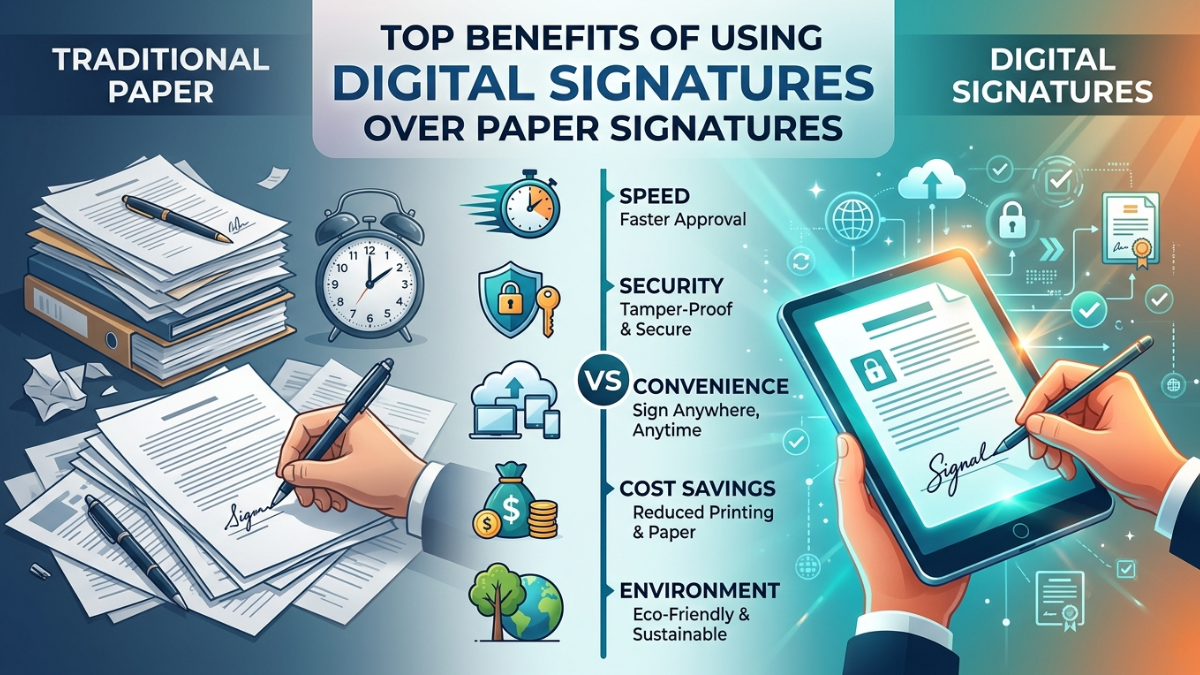
Switching to digital signatures can significantly reduce these inefficiencies. Here are some key advantages to consider:
- Speed: Digital signatures allow for instant signing and sending, speeding up the signing process from days to minutes.
- Security: They provide enhanced security features, like encryption and authentication, making documents more difficult to forge.
- Cost-Effective: Transitioning to digital can save businesses money on paper, ink, and shipping costs.
As we dive deeper into the benefits, you'll see how adopting digital signatures can transform your workflow and improve overall efficiency.
Understanding Digital Signatures
Digital signatures are a revolutionary advancement in the realm of electronic documentation. They provide a means of verifying the authenticity and integrity of a document, ensuring that it has not been altered after signing.
Key features of digital signatures include:
- Cryptographic Security: Digital signatures use encryption to secure the signing process. This ensures that only the signer can create a signature and that it can be verified by anyone.
- Legal Validity: Many countries recognize digital signatures as legally binding, similar to traditional handwritten signatures. For instance, the U.S. ESIGN Act and the European eIDAS Regulation provide a legal framework for their use.
- Audit Trails: Digital signatures often come with audit trails, tracking who signed the document, when, and any changes made thereafter, enhancing accountability.
Pro Tip: When implementing digital signatures, ensure that you choose a solution compliant with applicable regulations in your industry. For example, healthcare organizations may need to comply with HIPAA standards when handling patient records.
By embracing digital signatures, businesses can significantly streamline their document workflows while enhancing security and legal compliance.
What Are Digital Signatures?
Digital signatures are a secure and efficient way to authenticate electronic documents and confirm the identity of the signer. They use cryptographic techniques to provide a unique digital fingerprint for each signed document, ensuring integrity and non-repudiation.
Key features of digital signatures include:
- Authentication: Verifies the identity of the signer, reducing the risk of fraud.
- Integrity: Changes to a document after it has been signed can be detected, ensuring the content remains unchanged.
- Non-repudiation: Signers cannot deny their signature, as each digital signature is linked to a specific individual.
For instance, a law firm using digital signatures can significantly speed up the contract signing process. Instead of waiting for physical signatures, clients can sign documents securely from anywhere, leading to quicker deal closures.
Pro Tip: Ensure that the digital signature solution you choose complies with legal standards in your jurisdiction, such as the eIDAS regulation in Europe or the ESIGN Act in the U.S. This ensures your signatures hold up in a court of law.
How Digital Signatures Work
Digital signatures utilize cryptographic algorithms to ensure the authenticity and integrity of a document. a simplified breakdown of how they work:
- Key Pair Generation: Each user generates a unique pair of keys – a private key and a public key. The private key is kept secret, while the public key is shared with others.
- Signing the Document: When a user signs a document digitally, the document is hashed (converted into a fixed-size string of characters) using a cryptographic hash function. This hash is then encrypted with the user’s private key, creating the digital signature.
- Verification: The recipient uses the sender’s public key to decrypt the signature. If the decrypted hash matches the hash of the received document, it confirms that the document hasn’t been altered and verifies the sender's identity.
Pro Tip: Always use a trusted digital signature provider to ensure compliance with legal standards.
Example: A law firm using digital signatures can streamline the client onboarding process, reducing the time to finalize agreements from days to mere hours, thus increasing client satisfaction and operational efficiency.
Security Advantages of Digital Signatures
Digital signatures provide robust security features that significantly enhance document integrity and authenticity. Here are some key security advantages:
- Encryption: Digital signatures use encryption techniques, ensuring that only authorized parties can access the document's content. This prevents unauthorized alterations, safeguarding the integrity of the information.
- Authentication: Digital signatures verify the signer's identity through cryptographic keys. For instance, a financial institution might implement digital signatures to guarantee that transactions are approved by legitimate account holders, reducing fraud.
- Non-repudiation: Once a document is signed digitally, the signer cannot deny having signed it. This legal enforceability is particularly valuable in contracts and agreements. A construction company, for example, can rely on digital signatures to confirm contracts without the risk of disputes over authenticity.
- Audit trails: Digital signatures often come with built-in audit trails that log when and by whom the document was signed. This feature not only enhances accountability but also simplifies compliance with regulatory requirements.
Pro Tip: When adopting digital signatures, ensure you choose a reputable provider that complies with international security standards like eIDAS or the U.S. ESIGN Act to maximize your security benefits.
Enhanced Authentication and Verification
Digital signatures offer enhanced authentication and verification methods that surpass traditional paper signatures. With the integration of advanced technology, the authenticity of digital signatures can be confirmed with high accuracy.
- Multi-factor authentication: Many digital signature platforms incorporate multiple layers of security. For instance, a user might need to provide a password, a fingerprint, or a one-time code sent to their mobile device to complete the signing process.
- Blockchain technology: Some services utilize blockchain to create tamper-proof records of signatures. This means that any alterations to the document can be easily traced and verified, ensuring that the integrity of the signed document remains intact.
- Audit trails: Digital signatures provide a comprehensive audit trail that tracks every action taken with a document. This includes who signed it, when it was signed, and any modifications made.
For example, a legal firm using a digital signature platform reported a 50% reduction in document turnaround time due to faster verification processes.
Pro Tip: Always choose a digital signature solution that complies with industry regulations, such as eIDAS in Europe, for maximum trust and legal standing.
Preventing Document Tampering
Digital signatures provide a robust solution for preventing document tampering, ensuring that the integrity of your agreements is maintained. Unlike traditional paper signatures, digital signatures are linked to the document itself through encryption, making alterations immediately detectable.
- Tamper Detection: When a document is signed digitally, any changes made after the signature will invalidate it. This immediate notification allows parties to address potential fraud instantly.
- Audit Trails: Digital signatures generate comprehensive audit trails, which include timestamps, IP addresses, and authentication methods. For example, a recent case study involving a financial institution found that using digital signatures helped them reduce fraud cases by 40% due to enhanced traceability.
Pro Tip: Always choose a digital signature solution that complies with legal standards (like eIDAS in Europe or ESIGN in the U.S.) to ensure that your signatures are legally binding.
By adopting digital signatures, organizations can significantly reduce the risk of document tampering while boosting security and trust in their transactions.
Efficiency and Cost-Effectiveness
Digital signatures significantly enhance efficiency and cost-effectiveness compared to traditional paper signatures. By eliminating the need for physical documents, businesses can streamline their workflows and save valuable time.
- Reduced Processing Time: Digital signatures can be executed in seconds, whereas paper signatures often require mailing, printing, and scanning. For example, a real estate firm reported a 70% reduction in closing times after adopting digital signatures.
- Lower Costs: Businesses save on printing, postage, and storage costs. A study by the International Association for Privacy Professionals revealed that companies could save an average of $15 per document by using digital signatures.
- Increased Productivity: Employees can focus on core tasks without the hassle of managing paper documents. For instance, a legal firm noted a 50% increase in client engagement after switching to digital signatures, as they could send documents for signing instantly.
Pro Tip: Use an e-signature platform that integrates with your existing software for a seamless transition, maximizing both efficiency and cost savings. Embrace technology to propel your business forward!
Faster Turnaround Times
One of the most significant advantages of digital signatures is their ability to streamline the signing process, resulting in faster turnaround times. Traditional paper signatures can lead to delays due to:
- Manual routing: Documents often require physical delivery, which can take days.
- Signatory availability: Coordinating schedules for multiple signers can be time-consuming.
In contrast, digital signatures enable documents to be signed instantly from anywhere, at any time. For example, a contract that typically takes a week to finalize can often be completed in just a few hours when using digital solutions.
Pro Tips:
- Use platform features like reminders and automatic notifications to keep the signing process on track.
- Consider integrating digital signatures with your existing workflow systems for seamless operation.
According to a 2024 survey by Statista, organizations that adopted digital signatures reported up to a 90% reduction in document turnaround times. This efficiency not only enhances productivity but also contributes to greater business agility.
Reduction in Paper and Mailing Costs
The shift to digital signatures significantly reduces paper and mailing costs, allowing organizations to allocate resources more effectively. By eliminating the need for physical documents, companies save on:
- Printing costs: Each page printed can cost anywhere from 5 to 20 cents. For businesses with high volume document transactions, these costs can add up quickly.
- Mailing expenses: Traditional mailing includes postage, envelopes, and handling. Digital signatures eliminate these costs entirely.
- Storage fees: Physical documents require storage space, which incurs additional costs. Digital files can be stored in the cloud at a fraction of the expense.
For example, a mid-sized law firm transitioned to digital signatures and reported a 30% reduction in annual document-related expenses. They redirected nearly $10,000 into client services instead.
Pro tip: Use a digital signature platform that offers secure cloud storage options. Not only will you save on paper, but you'll also have easy access to documents anytime, anywhere. According to a 2023 report by McKinsey, organizations that adopt digital solutions like e-signatures can improve operational efficiency by up to 50%.
Environmental Benefits
- Reduction in Paper Waste: Digital signatures eliminate the need for paper documents, significantly decreasing paper consumption. According to the Environmental Paper Network, reducing paper use saves trees and helps preserve natural habitats.
- Lower Carbon Footprint: By using digital signatures, organizations can cut down on the carbon emissions associated with printing, transporting, and storing paper documents. For example, a company that digitized its contract process reported a 40% reduction in its overall carbon footprint within a year.
- Energy Savings: Digital solutions require less energy compared to traditional printing and storage methods. Pro tip: Consider using energy-efficient devices for creating and managing digital signatures to maximize these benefits.
- Sustainable Practices: Companies adopting digital signatures often align with broader sustainability initiatives. A case study of a leading tech firm showcased that transitioning to a paperless environment not only improved efficiency but also enhanced its brand image as an environmentally responsible organization.
- Encouragement of Eco-Friendly Policies: By switching to digital signatures, businesses can inspire employees and partners to engage in more sustainable practices, fostering a culture of environmental awareness and responsibility.
Conclusion
In summary, digital signatures offer a myriad of advantages over traditional paper signatures that can enhance efficiency and security in various business processes. Here are the key takeaways:
- Increased Efficiency: Digital signatures streamline approval processes, reducing turnaround time significantly. For instance, companies have reported up to a 90% reduction in document turnaround times after switching to digital signatures.
- Enhanced Security: Digital signatures use encryption, making them more secure than paper signatures. They provide a robust way to verify the identity of signers and ensure document integrity.
- Cost Savings: By decreasing the need for printing, mailing, and storage, businesses can save substantial resources. According to a recent survey by Statista, organizations can reduce operational costs by up to 50% with digital signatures.
- Environmental Benefits: Going paperless is not just cost-effective; it also supports sustainability initiatives, reducing waste.
For those considering the switch, start with a trial of digital signature software. Evaluate how it integrates into your existing workflows and observe the tangible benefits. Pro tip: Ensure compliance with local regulations regarding digital signatures to maximize their effectiveness and legality.
About the author

Santosh Shet
Santosh Shet is the Founder of Appyminds and a technology entrepreneur with over 20 years of experience in software development, web applications, mobile apps, AI solutions, and business automation. He helps businesses transform ideas into scalable digital products through modern web development, mobile applications, intelligent automation, and AI-powered solutions. Santosh regularly writes about artificial intelligence, software development, digital transformation, SaaS products, and emerging technology trends.