How Website Revamp Improves Google Rankings
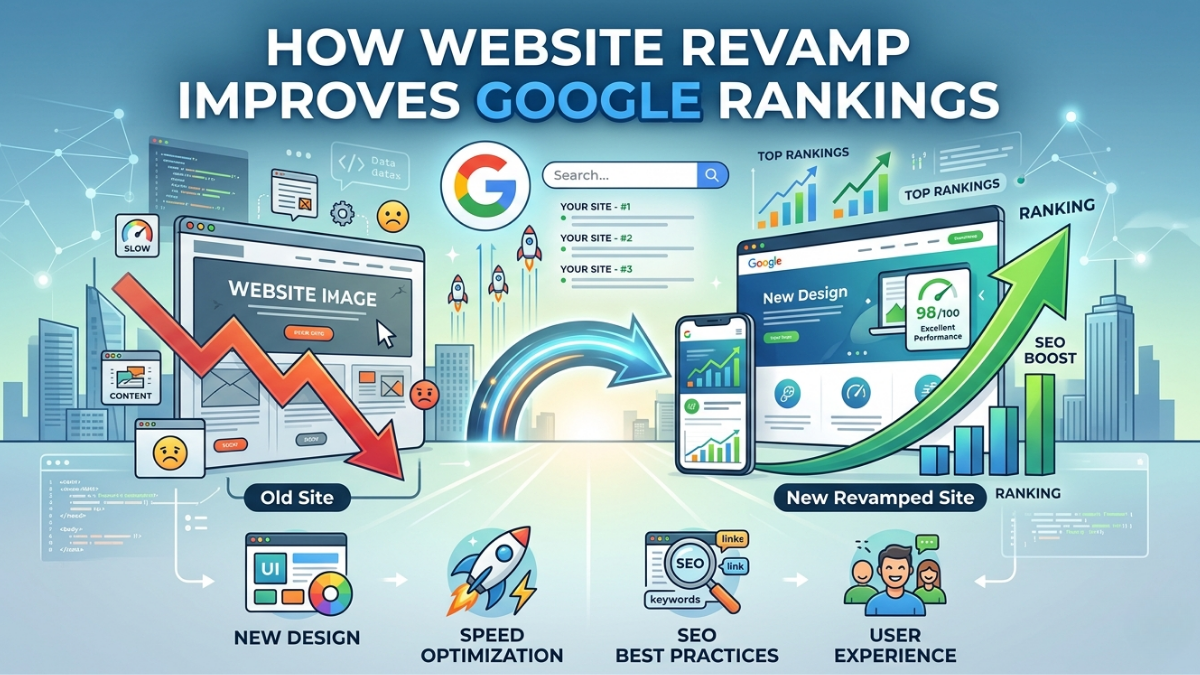
In the digital age, a website’s performance can make or break your business. If your site looks outdated or functions poorly, potential customers—and search engines—will likely look elsewhere.
Introduction
In the digital age, a website’s performance can make or break your business. If your site looks outdated or functions poorly, potential customers—and search engines—will likely look elsewhere.
Revamping your website isn’t just about aesthetics; it can significantly impact your Google rankings. A well-designed site can improve user experience, reduce bounce rates, and boost conversion rates, all of which are pivotal for SEO success.
Consider the case of a local bakery that updated its website. By enhancing the page load speed and optimizing for mobile, they saw a 40% increase in organic traffic within three months.
To get started on your website revamp, keep these quick actionable insights in mind:
- Optimize for Mobile: Over 50% of global web traffic comes from mobile devices. Ensure your site is responsive.
- Improve Loading Speed: Aim for a loading time of under 3 seconds. Use tools like Google PageSpeed Insights for guidance.
- Update Content Regularly: Fresh content signals to Google that your site is active and relevant.
By prioritizing these elements, you can set the stage for improved visibility in search engine results.
Understanding Website Revamp
A website revamp involves updating and enhancing various elements of a site to improve functionality, user experience, and aesthetics. It’s more than just a fresh coat of paint; it’s about rethinking the structure and content to align with current trends and user expectations.
Key components of a successful revamp include:
- Design Overhaul: Modernizing the visual aspects can significantly enhance user engagement. For example, a local bakery revamped its website with vibrant images and easy navigation, resulting in a 30% increase in online orders within three months.
- Mobile Optimization: With over 50% of web traffic coming from mobile devices, ensuring your site is mobile-friendly is crucial. Google prioritizes mobile-responsive designs in its rankings.
- SEO Enhancements: Updating meta tags, optimizing images, and improving site speed are effective strategies. A company that focused on these improvements saw its organic traffic double within six months.
Pro tip: Always conduct user testing after a revamp to gather feedback and make necessary adjustments based on real user experiences. This ensures that your updates resonate well with your audience and further boosts your rankings.
What is a Website Revamp?
A website revamp involves a comprehensive update of a website’s design, functionality, and content. The goal is to enhance user experience, improve performance, and increase visibility on search engines.
Key components of a website revamp include:
- Design Overhaul: Refreshing the visual elements to align with current trends can attract and retain visitors. For instance, a site that previously used outdated design may see a boost in user engagement simply by modernizing its look.
- Content Update: Revising existing content and adding new, relevant information can significantly impact SEO. For example, incorporating keywords based on current search trends can improve organic search rankings.
- Technical Improvements: Optimizing site speed, mobile compatibility, and navigation structure can enhance user experience and lead to lower bounce rates. A case study by Moz found that a site speed increase of just one second led to a 7% decrease in traffic loss.
Pro Tip: Regularly analyze site performance metrics before and after a revamp to gauge improvements and make data-driven decisions for future updates.
Signs Your Website Needs a Revamp
- High Bounce Rate: If your analytics show a high bounce rate (above 70%), it’s a signal that visitors aren’t finding what they need. For example, a retailer might see users leaving quickly due to a cluttered homepage or slow load times.
- Outdated Design: Websites that look stale can deter potential customers. Think about a business that hasn't updated its design in five years; it may not convey trustworthiness or modernity.
- Poor Mobile Experience: With over 50% of web traffic coming from mobile devices, a non-responsive design can be detrimental. A local restaurant with a non-mobile-friendly menu might lose customers who prefer to browse on their phones.
- Slow Loading Speed: Pages that take longer than three seconds to load can significantly impact user experience and SEO. A travel blog revamped for faster loading saw a 30% increase in page views after optimization.
- Low Conversion Rates: If your site isn’t converting visitors into customers, it’s time for a change. A software company revamped its call-to-action buttons and improved its conversion rate by 50%.
Pro Tip: Regularly review user feedback and analytics to pinpoint issues needing attention.
The SEO Impact of Website Redesign
A website redesign can significantly impact SEO, both positively and negatively. It’s crucial to approach the process thoughtfully to prevent losing hard-earned rankings.
Key factors to consider include:
- URL Structure: Maintain existing URLs or implement 301 redirects for any changes. For instance, if a popular page changes from
example.com/old-pagetoexample.com/new-page, ensure you set up a redirect to retain link equity. - Content Quality: Revamping content can enhance user engagement. A case study by HubSpot showed that updating blog posts resulted in a 106% increase in organic traffic over six months.
- Mobile Responsiveness: Google prioritizes mobile-friendly sites. Implementing a responsive design can enhance user experience and improve rankings, as mobile usability is a ranking factor.
- Load Speed: A faster site can reduce bounce rates. According to Google, even a one-second delay can decrease conversion rates by 20%.
Pro tip: Before redesigning, conduct a comprehensive SEO audit to identify key areas to preserve. After launching the new design, monitor your analytics closely to catch any unforeseen drops in traffic early on.
How Website Redesign Affects SEO
A website redesign can significantly impact your SEO, both positively and negatively. It’s essential to manage this process carefully to maintain or improve your rankings.
- URL Changes: If you change your URLs, ensure proper redirects (301 redirects) are implemented. This prevents loss of link equity. For example, when a travel agency redesigned its site and changed URLs, they saw a temporary dip in rankings, but by properly redirecting, they recovered within weeks.
- Content Updates: Revamping your content can enhance relevance and engagement. Incorporate keywords naturally and update old blog posts to reflect current information. Case in point, a tech blog that updated outdated articles saw a 30% increase in organic traffic post-redesign.
- Mobile Optimization: With mobile-first indexing, ensure your redesign prioritizes mobile usability. Websites that are not mobile-friendly can suffer in rankings. Pro tip: Test your site's mobile responsiveness using Google's Mobile-Friendly Test tool.
- Page Speed: A redesign offers the chance to improve page load times, directly influencing user experience and SEO. Implementing optimized images and reducing server response times can lead to better performance and higher rankings.
In summary, a thoughtful redesign can enhance your SEO if you focus on maintaining best practices throughout the process.
Common SEO Mistakes During a Redesign
- Neglecting 301 Redirects: Failing to set up appropriate 301 redirects for old URLs can lead to broken links and lost traffic. For instance, if your previous URL was
example.com/old-page, ensure it redirects toexample.com/new-page. - Ignoring Mobile Optimization: A redesign without a mobile-first approach can harm your SEO. Google emphasizes mobile-friendliness; if your site isn’t accessible on mobile devices, rankings may drop. According to a 2023 Google report, over 60% of searches are conducted on mobile.
- Overlooking Meta Tags: Often, during redesigns, meta titles and descriptions get lost or overlooked. Ensure each page maintains unique and descriptive meta tags that reflect the page's content.
- Not Updating Internal Links: When redesigning, internal linking structures may change. Ensure all internal links point to the correct new URLs to avoid 404 errors.
- Focusing Too Much on Aesthetics: While a fresh design is important, prioritize user experience and SEO best practices. Engaging content and fast loading times are crucial; remember, users leave if a site takes too long to load.
Pro Tip: Use tools like Google Search Console to monitor your website's performance post-redesign and catch any issues early.
Key Elements of a Successful Website Revamp
- User Experience (UX): A website revamp should prioritize user experience. Simplify navigation, improve loading speeds, and ensure mobile responsiveness. For example, a case study by Adobe found that 38% of users will stop engaging with a site if the content or layout is unattractive.
- Content Quality: High-quality, relevant content is crucial. Focus on updating existing pages and adding new blog posts that answer user queries. According to HubSpot, companies that blog generate 67% more leads than those that don’t.
- SEO Optimization: Use keyword research to guide your content strategy. Incorporate appropriate keywords naturally into headlines, meta descriptions, and alt text. Pro tip: Tools like SEMrush can help identify trending keywords in your niche.
- Visual Appeal: Invest in a modern design that reflects your brand. Use high-quality images and videos to engage visitors. A visually appealing site can increase the time spent on pages, which positively influences Google rankings.
- Analytics Integration: Implement tools like Google Analytics to track user behavior. Regularly review this data to make informed decisions about future updates. Successful businesses often refine their strategies based on analytical insights.
Improving User Experience
A website revamp can significantly enhance user experience (UX), which is a key factor in improving Google rankings. A seamless UX keeps visitors engaged and encourages them to explore more pages, reducing bounce rates.
- Fast Loading Times: Optimize images and leverage browser caching. A site that loads in under 3 seconds can improve user retention. For example, Amazon found that every 100 ms of latency cost them 1% in sales.
- Mobile Responsiveness: With over 50% of web traffic coming from mobile devices, ensure your site is responsive. Utilize Google’s Mobile-Friendly Test to check compatibility.
- Intuitive Navigation: Simplify your navigation with clear categories and a logical structure. A well-organized menu helps users find what they need quickly, reducing frustration.
- Engaging Design: Use appealing visuals and whitespace effectively. A modern, clean design can keep users on your site longer. For instance, Dropbox revamped its homepage, resulting in a 30% increase in sign-ups.
Pro Tip: Regularly gather user feedback through surveys or usability tests to identify pain points and continuously improve UX.
Optimizing for Mobile and Speed
Optimizing your website for mobile and speed is crucial for improving Google rankings. With over 50% of web traffic coming from mobile devices, ensuring your site is mobile-friendly can significantly impact user experience and SEO.
- Responsive Design: Implement a responsive design that adapts seamlessly to different screen sizes. Tools like Google's Mobile-Friendly Test can help you assess your site's performance on mobile devices.
- Page Speed: Aim for a loading time of under 3 seconds. Use tools like PageSpeed Insights to identify areas for improvement.
- Image Optimization: Compress images without sacrificing quality. Use formats like WebP for faster loading times.
- Minimize Redirects: Each redirect can slow down your site; reducing them can enhance speed.
Pro Tip: Regularly test your site’s performance using GTmetrix or Pingdom. Small changes, like reducing the number of plugins or leveraging browser caching, can yield significant speed improvements.
For instance, a local restaurant revamped their website, focusing on mobile optimization and loading speed. After implementing these strategies, they saw a 40% increase in mobile traffic and improved their Google rankings significantly within three months.
How to Improve Google Rankings with a Revamp
Revamping your website can significantly enhance your Google rankings by addressing key SEO factors. Here are some effective strategies to consider:
- Optimize for Mobile: Ensure your site is fully responsive. Google prioritizes mobile-friendly designs since over 50% of web traffic comes from mobile devices. For instance, a local restaurant saw a 40% increase in mobile traffic after optimizing their site.
- Improve Page Speed: Fast-loading pages keep users engaged. Tools like Google Page Speed Insights can help identify areas for improvement. A well-known e-commerce site increased sales by 20% after reducing load times by just two seconds.
- Update Content: Refresh old blog posts or service pages with new information, keywords, and visuals. Regularly updated content signals to Google that your site is active and relevant. A tech blog that revamped its outdated articles saw a 30% boost in organic search traffic.
- Enhance User Experience (UX): Simplify navigation and use clear CTAs to guide users. A seamless UX can decrease bounce rates, which positively affects rankings.
- Implement Schema Markup: This helps search engines understand your content better, improving visibility in search results. A local business using schema markup reported better click-through rates.
Pro Tip: Regularly review your analytics to identify which pages are underperforming and prioritize them in your revamp process.
Conclusion
Revamping your website can significantly enhance your Google rankings and overall online visibility. By focusing on user experience, optimizing for mobile, and improving site speed, you create an environment that search engines favor.
Key takeaways include:
- User Experience Matters: A clean, navigable design keeps visitors engaged, lowering bounce rates.
- Mobile Optimization is Essential: With over 50% of global web traffic coming from mobile devices, a responsive design is non-negotiable.
- Content Quality is King: Regularly updated, high-quality content keeps your audience informed and engaged, leading to better search rankings.
For instance, after revamping their site, a small e-commerce business reported a 40% increase in organic traffic within three months.
Pro Tips:
- Conduct regular audits to identify areas for improvement.
- Utilize tools like Google Page Speed Insights to monitor site speed.
- A/B test different elements to find what works best for your audience.
Take action today and start planning your website revamp to reap the benefits of improved Google rankings!
About the author

Santosh Shet
Santosh Shet is the Founder of Appyminds and a technology entrepreneur with over 20 years of experience in software development, web applications, mobile apps, AI solutions, and business automation. He helps businesses transform ideas into scalable digital products through modern web development, mobile applications, intelligent automation, and AI-powered solutions. Santosh regularly writes about artificial intelligence, software development, digital transformation, SaaS products, and emerging technology trends.