How AI is Revolutionizing Website Redesign in 2026
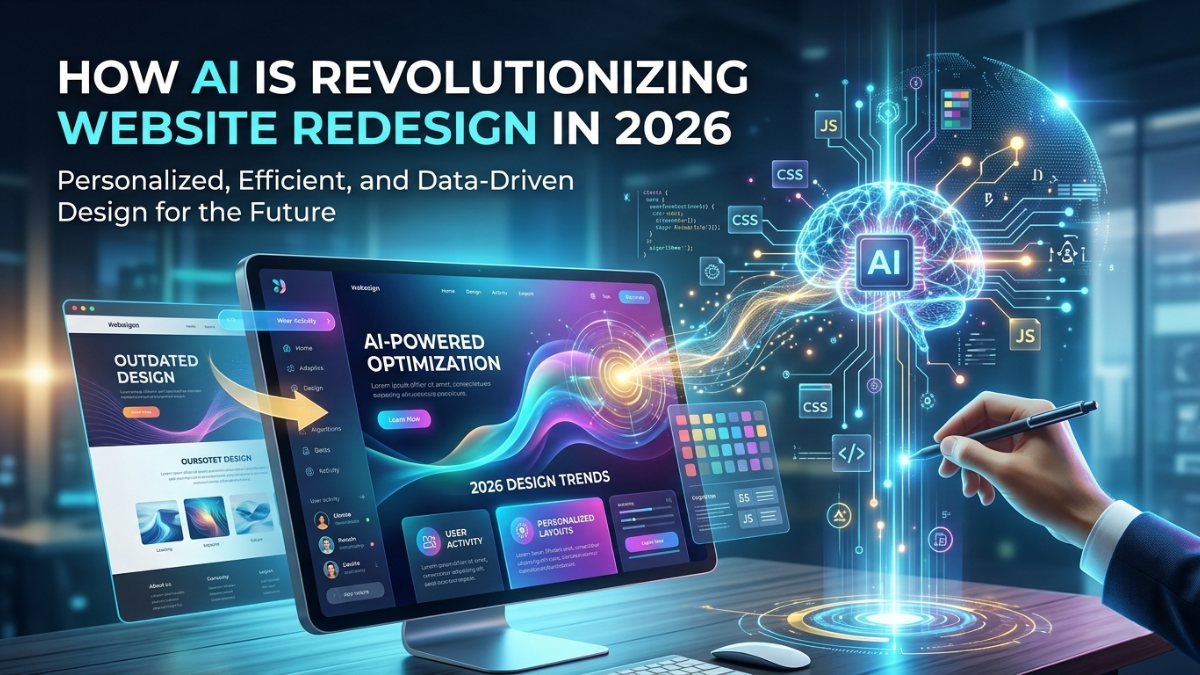
Web designers are no longer solely responsible for aesthetic choices; AI tools now assist in creating responsive, user-centered designs that adapt to individual visitor behavior. This shift not only enhances user experience but also drives conversions.
Introduction
In 2026, the digital landscape is more dynamic than ever, and Artificial Intelligence (AI) is at the forefront of website redesign. With its ability to analyze vast amounts of data, AI is reshaping how businesses approach their online presence.
Web designers are no longer solely responsible for aesthetic choices; AI tools now assist in creating responsive, user-centered designs that adapt to individual visitor behavior. This shift not only enhances user experience but also drives conversions.
Consider how AI-driven tools like chatbots and personalization engines have revolutionized customer interactions. For instance, e-commerce platforms using AI can tailor product recommendations based on browsing history, leading to a significant uptick in sales.
Pro tip: Leverage AI analytics to identify user trends. This insight can inform your redesign strategy to meet customer demands effectively. As we dive deeper into this topic, we'll explore specific AI technologies transforming website redesign and actionable strategies to implement them successfully.
The Rise of AI in Website Redesign
The integration of AI into website redesign has transformed the landscape, enabling designers and businesses to create more engaging and functional sites.
- Personalization at Scale: AI tools analyze user behavior in real-time to provide personalized experiences. For example, platforms like Adobe Sensei use machine learning to recommend design elements tailored to specific user demographics, leading to higher engagement rates.
- Automated Design Suggestions: With tools like Wix's ADI (Artificial Design Intelligence), users can input their preferences, and the AI generates design layouts automatically. This not only saves time but also caters to those without extensive design skills.
- Predictive Analytics: AI can forecast user behavior, allowing businesses to optimize their websites proactively. For instance, Google Analytics now employs AI-driven insights to suggest layout changes based on predicted user interactions.
Pro tip: Leverage AI chatbots to collect visitor feedback on your website redesign. This real-time data can guide future updates and enhance user satisfaction.
According to a recent survey by Statista, 75% of businesses reported improved website performance after integrating AI tools in their redesigns, underscoring its growing importance in the digital landscape.
Understanding AI-Powered Website Builders
AI-powered website builders are transforming how individuals and businesses create and redesign their online presence. These tools leverage machine learning algorithms and user data to streamline the web design process.
- Automated Design Suggestions: AI can analyze existing websites and offer tailored design recommendations. For example, Wix's ADI (Artificial Design Intelligence) creates a complete site based on user inputs and preferences, reducing the time spent on design.
- Content Generation: Many AI builders, like Zyro, come with built-in content generators that create compelling text and images, ensuring your site is not only visually appealing but also content-rich.
- User Experience Optimization: By analyzing user behavior, AI can suggest changes that enhance user engagement. For instance, Squarespace's analytics tools help users identify high-traffic pages and optimize them further.
Pro tip: Start with a clear vision of your target audience. An AI builder can provide insights that align your design with user preferences, significantly impacting engagement.
As AI continues to evolve, its ability to automate and personalize website creation will only improve, making it easier for anyone to build an effective online presence.
Key Features of AI Web Design Tools in 2026
- Intelligent Layout Generation: AI tools now analyze user behavior and preferences to automatically generate layouts that drive engagement. For instance, a clothing retailer using AI saw a 30% increase in conversion rates after implementing personalized layouts based on customer browsing habits.
- Automated Content Creation: Leveraging natural language processing, AI can produce SEO-optimized content tailored to specific audiences. A small business that adopted AI-generated blogs reported a 50% increase in organic traffic within three months.
- Real-Time A/B Testing: AI web design tools provide real-time A/B testing capabilities, allowing designers to experiment with different designs and elements quickly. This feature helps in identifying the most effective designs without extensive time investment.
- Accessibility Enhancements: AI tools can automatically identify and fix accessibility issues, ensuring websites are inclusive. For example, a nonprofit organization improved its user engagement by 40% after optimizing its website with AI-powered accessibility features.
- Pro Tip: Always use AI insights to guide your design decisions, but trust your instincts as a designer to ensure creativity and emotional connection with users.
Automated Website Redesign: Efficiency and Accuracy
Automated website redesign processes enhance efficiency and accuracy by leveraging AI-driven tools that streamline tasks traditionally performed by teams of designers and developers.
- Time-Saving: Automated systems can analyze existing website data, user behavior, and design patterns within minutes, significantly reducing the time needed for comprehensive redesigns. For instance, a leading e-commerce site reduced its redesign time from weeks to just a few days by utilizing AI tools.
- Data-Driven Decisions: With AI, website redesigns are not just based on aesthetics but also on hard data. For example, AI can recommend layout changes based on user engagement metrics, ensuring that every tweak is backed by evidence.
- Pro Tips:
- Regularly update your AI tools to incorporate the latest algorithms for better design recommendations.
- Utilize A/B testing in conjunction with automated designs to fine-tune user interfaces.
By combining speed and precision, automated redesign processes help businesses stay ahead in a fast-paced digital landscape, ensuring that their websites remain user-centric and engaging.
Enhancing User Experience with AI
Incorporating AI into website redesign significantly enhances user experience. AI-driven tools can analyze user behavior, providing insights into how visitors interact with a site.
- Personalization: AI can tailor content based on user preferences. For instance, e-commerce platforms like Amazon utilize AI algorithms to suggest products based on browsing history, increasing conversion rates.
- Chatbots: These AI-powered assistants enhance customer support. Brands like Sephora employ chatbots on their websites to guide users in finding products, leading to quicker resolutions and improved satisfaction.
- A/B Testing: AI simplifies the process of A/B testing by automatically determining which design elements resonate best with users. Companies like Netflix use AI to optimize thumbnail designs, boosting viewer engagement.
Pro Tip: Regularly review AI-generated analytics to refine user experience continually. Implementing small tweaks based on user feedback can lead to significant improvements over time.
By harnessing AI, businesses can create websites that not only meet but anticipate user needs, resulting in a more engaging and satisfying online experience.
AI and Responsive Design: A Seamless Experience
AI technology is transforming the way we approach responsive design, creating a seamless experience across all devices. With advanced algorithms, AI can analyze user behavior and automatically adjust layouts for optimal engagement.
- Dynamic Content Adjustment: AI tools can modify content in real-time to fit various screen sizes. For instance, platforms like Wix use AI to rearrange elements based on user interaction data, ensuring a consistent experience.
- Personalization: By leveraging machine learning, websites can deliver personalized content based on user preferences and browsing history. Spotify is a prime example, tailoring its interface and recommendations to individual users.
- Predictive Design: AI can predict which design elements will perform best for specific demographics. For example, Adobe's Sensei uses data analytics to suggest the most effective layouts, reducing the guesswork in design choices.
Pro Tip: Integrating AI-driven tools into your website redesign can significantly enhance user engagement by ensuring that your site adapts fluidly to different devices and user needs. Regularly analyze user data to continually refine and optimize the responsive design.
Cost-Effectiveness of AI in Web Design
The integration of AI in web design significantly enhances cost-effectiveness, allowing businesses to allocate resources more efficiently.
- Reduced Development Time: AI tools can automate repetitive tasks such as coding and layout adjustments, cutting down project timelines. For instance, platforms like Wix ADI use AI to create personalized websites in minutes.
- Lower Labor Costs: By automating design processes, businesses can reduce the need for large design teams. A small agency might find that AI tools like Adobe Sensei can handle 80% of the initial design work, allowing designers to focus on more creative tasks.
- Real-time Analytics: AI-driven analytics help identify user behavior trends, enabling businesses to make informed decisions without the need for extensive market research. For example, tools such as Google Analytics 4 utilize AI to provide predictive insights that can guide website improvements.
Pro Tip: Invest in AI-driven design tools with subscription models, as they often provide better long-term value compared to hiring multiple designers.
By leveraging AI, companies not only save on costs but ultimately enhance their web design processes, ensuring they stay competitive in the fast-evolving digital landscape.
Challenges and Limitations of AI in Website Redesign
- Data Privacy Concerns: As AI tools analyze user data to inform website redesigns, they may raise privacy issues. Companies must ensure compliance with regulations like GDPR, which can limit the data available for AI algorithms.
- Contextual Understanding: AI struggles with understanding nuanced user emotions and cultural contexts. For example, an AI might misinterpret user feedback, leading to design choices that don’t resonate with the target audience.
- Cost and Resource Allocation: Implementing AI solutions can require significant investment. Many small businesses may find it challenging to allocate resources for advanced AI tools while balancing other operational costs.
- Dependence on Quality Data: AI performance is heavily reliant on the quality of input data. If the data is biased or incomplete, the outcomes can be skewed, resulting in ineffective redesign strategies.
- Pro Tip: Regularly audit your AI-generated insights to ensure they align with user expectations and business goals. Engaging human designers in the loop can help balance AI suggestions with creative intuition.
- Example Case Study: A mid-sized e-commerce site used AI for a redesign based on user behavior data. While the initial results showed increased engagement, subsequent analysis revealed that some users felt alienated by the automated design, highlighting the need for human oversight.
Future Trends in AI Web Design
As we look toward the future, AI will continue to shape web design in transformative ways. Here are some key trends to watch:
- Personalized User Experiences: AI algorithms will analyze user behavior to create highly personalized content and layouts. For instance, websites could dynamically adjust their interface based on the visitor's preferences, enhancing engagement.
- Voice and Conversational Interfaces: With the rise of voice search, incorporating AI-driven voice interfaces will become essential. Brands like Starbucks have already implemented voice ordering systems, showcasing how AI can streamline user interactions.
- Automated Design Tools: Tools like Wix's ADI (Artificial Design Intelligence) will become more sophisticated, allowing even non-designers to create visually appealing sites. By 2026, these tools may provide design suggestions based on current trends and user input.
- Enhanced Accessibility: AI applications will improve web accessibility by automatically identifying and fixing design elements that may not be compliant with accessibility standards. For example, Adobe’s AI features help designers ensure color contrast meets guidelines.
Pro Tip: Keep an eye on emerging AI tools that can simplify your design process. Experimenting with these can give you a competitive edge in creating user-friendly sites.
How Business Owners and Developers Can Adapt
To thrive in the evolving landscape shaped by AI, business owners and developers must embrace new strategies. Here are some effective adaptations:
- Leverage AI Tools: Utilize design platforms like Adobe Sensei or Wix ADI, which analyze user behavior to suggest layout changes. For example, a local bakery used AI to redesign their site, resulting in a 30% increase in online orders.
- Personalization is Key: Focus on creating personalized experiences for visitors. Use AI to analyze customer data and tailor content, such as recommending products based on user preferences. A retail site saw a 25% boost in conversions after implementing personalized suggestions.
- Continuous Learning: Stay updated on AI developments. Subscribe to industry newsletters or join forums where tech and design trends are discussed. Engaging with the community can provide invaluable insights and early access to innovative tools.
- Test and Iterate: Implement A/B testing on redesigned elements. Use insights gained from AI analytics to refine your approach continuously. For instance, an e-commerce site that frequently tested landing pages found a 15% uplift by adjusting their call-to-action based on AI data.
Pro Tip: Set aside time each month to assess new AI technologies that can enhance your redesign process, ensuring your site remains competitive and user-focused.
Conclusion
The integration of AI in website redesign is transforming the digital landscape in remarkable ways. Here are the key takeaways:
- Personalization at Scale: AI enables companies to deliver tailored user experiences based on individual behavior. For example, e-commerce sites use AI-driven algorithms to recommend products, increasing conversion rates.
- Efficiency Boost: Automated design tools significantly reduce the time and cost associated with website redesigns. Platforms like Wix and Squarespace now offer AI features that can generate layouts and content based on user input.
- Data-Driven Insights: AI analyzes user data to inform design decisions, ensuring that redesigns are based on real user behavior rather than assumptions. Businesses using these insights see improved user engagement and satisfaction.
- Pro Tip: Regularly update your AI tools to leverage the latest features and enhancements that can streamline your redesign process.
Embracing AI not only streamlines workflows but also enhances user experience, making it essential for businesses to stay competitive in 2026 and beyond. Consider integrating more AI solutions into your redesign strategy to maximize results and drive growth.
About the author

Santosh Shet
Santosh Shet is the Founder of Appyminds and a technology entrepreneur with over 20 years of experience in software development, web applications, mobile apps, AI solutions, and business automation. He helps businesses transform ideas into scalable digital products through modern web development, mobile applications, intelligent automation, and AI-powered solutions. Santosh regularly writes about artificial intelligence, software development, digital transformation, SaaS products, and emerging technology trends.