E-Signature for Education Institutions & Student Admissions
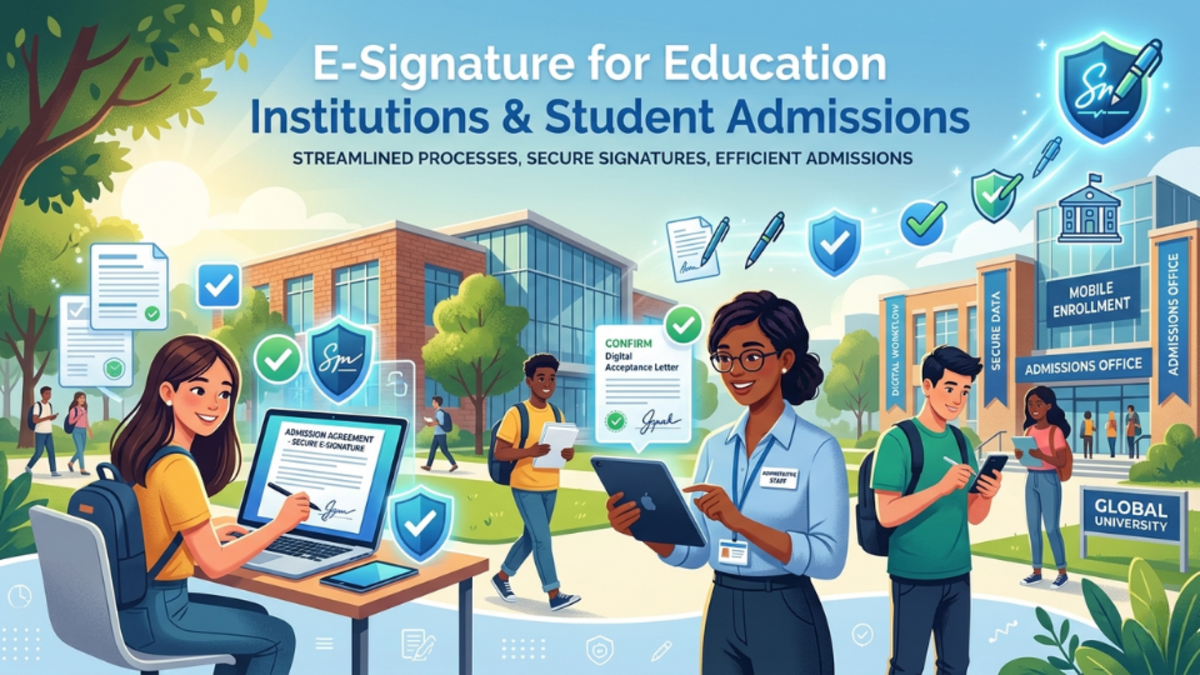
Education institutions are turning to e-signatures to enhance efficiency, streamline processes, and elevate the student experience.
Introduction
In an increasingly digital world, paperless solutions are not just a trend; they’re a necessity. Education institutions are turning to e-signatures to enhance efficiency, streamline processes, and elevate the student experience.
Consider the advantages of e-signatures for student admissions:
- Speed: Applications can be processed in real-time, eliminating the delays associated with postal services.
- Cost-efficiency: Reduces the need for printing, postage, and storage, significantly cutting operational costs.
- Convenience: Students can sign documents from anywhere, making it easier to complete applications on their own schedules.
For instance, a recent case study revealed that a university reduced its application processing time by 50% after implementing an e-signature solution.
Pro tip: When selecting an e-signature tool, ensure it complies with regulations like the ESIGN Act and UETA to avoid legal complications. This not only protects your institution but also builds trust with prospective students.
As we dive deeper into the benefits and best practices of e-signatures, you’ll discover how they can transform the admissions landscape for education institutions.
Understanding Electronic Signatures in Education
Understanding electronic signatures (e-signatures) is crucial for educational institutions seeking to streamline processes. E-signatures enable students and staff to sign documents digitally, saving time and resources while ensuring security and compliance.
- Legality: E-signatures are legally binding in most jurisdictions, including the U.S. under the ESIGN Act and UETA. This legality extends to various educational documents, such as admissions forms, consent forms, and contracts.
- Efficiency: By adopting e-signatures, institutions can significantly reduce turnaround times. For example, a university might cut the average time for processing admission applications from weeks to days.
- Security: Digital signatures often come with encryption, ensuring that documents cannot be altered after signing. This adds a layer of protection against fraud.
Pro Tip: Integrate e-signature solutions into your existing systems (like student information systems) for seamless workflow. Additionally, provide training for staff to maximize the benefits of the technology.
As e-signatures continue gaining traction, adopting them can position institutions as forward-thinking and responsive to student needs.
Benefits of Electronic Signatures for Student Admissions
Electronic signatures in student admissions offer numerous advantages that streamline the process for both institutions and applicants.
- Faster Processing: Traditional paper-based signatures can slow down admissions timelines. With e-signatures, documents can be signed and returned instantly, reducing processing times significantly. For instance, a university reported a 50% reduction in admission processing time after adopting e-signatures.
- Cost Efficiency: By eliminating paper, printing, and mailing costs, institutions can save substantial resources. One college estimated they saved thousands of dollars annually simply by switching to an electronic signature solution.
- Enhanced Security: E-signatures come with encryption and authentication features, ensuring that documents are secure and tamper-proof. This can lead to increased trust among applicants, knowing their information is protected.
- Improved Accessibility: Students can sign documents from anywhere, at any time, using their devices. This flexibility can be particularly beneficial for international students or those balancing multiple commitments.
- Eco-Friendly: Reducing paper usage contributes to sustainability efforts, aligning with the values of many modern educational institutions.
Pro Tip: Consider integrating e-signature solutions with your existing admissions software for a seamless experience!
Streamlining the Paperless Student Enrollment Process
The transition to a paperless enrollment process can significantly enhance efficiency for educational institutions. E-signatures simplify paperwork, reducing the time and resources spent on physical document management.
- Faster Processing Times: With e-signatures, students can sign documents instantly, eliminating mailing delays. For instance, a university that adopted e-signatures reported a 40% decrease in enrollment processing time.
- Improved Accuracy: Digital forms reduce errors associated with handwritten signatures. Automated validations can alert students to incomplete fields before submission, ensuring a smoother process.
- Enhanced Security: E-signatures provide a robust level of security, using encryption to protect sensitive student data. Schools can track who signed what and when, enhancing accountability.
Pro Tip: Implement a user-friendly platform that integrates e-signature solutions with your existing enrollment systems. This can streamline workflows and minimize training time for staff and students alike.
Consider the case of a community college that integrated e-signatures into their registration process, leading to a 50% increase in on-time enrollment completion. By prioritizing a smooth, digital experience, institutions can cater to the tech-savvy student demographic of today.
Digital Signatures for Student Documents: A Detailed Look
Digital signatures are transforming how educational institutions handle student documents. By providing a secure and efficient method for signing important paperwork, digital signatures streamline processes like admissions, enrollment, and financial aid.
Key Benefits:
- Efficiency: Signatures can be applied instantly, reducing turnaround time.
- Security: Digital signatures use cryptographic techniques, ensuring authenticity and minimizing fraud.
- Cost-Effective: Reduces the need for printing, mailing, and in-person visits.
For instance, a university that adopted digital signatures reported a 30% decrease in processing time for admissions documents. This allowed the admissions team to focus more on engaging prospective students rather than managing paperwork.
Pro Tips:
- Ensure that your digital signature solution complies with eIDAS and ESIGN regulations to guarantee legal validity.
- Use a robust platform that integrates with your existing systems for seamless adoption.
By implementing digital signatures, educational institutions can enhance their operational efficiency while improving the student experience.
How Electronic Signatures Enhance College Admissions
Electronic signatures streamline the college admissions process, making it faster and more efficient. By enabling students to sign documents digitally, institutions can reduce the time spent on paperwork.
- Speed: Admissions offices report a significant decrease in turnaround time for applications. For example, a small college noted a 50% reduction in processing time after implementing e-signatures.
- Accessibility: Students can sign documents from anywhere, removing barriers for those who may not be able to visit the campus physically. This is particularly beneficial for international students.
Pro Tip: Integrate e-signatures with your admissions software to automate notifications and reminders. This keeps students informed, ensuring they complete all necessary steps promptly.
Electronic signatures also enhance security. With encrypted transactions, sensitive student data is protected, minimizing the risk of fraud.
Case Study: A large university adopted electronic signatures and saw a 30% increase in completed applications within the first semester. This not only boosted enrollment but also improved the overall student experience.
Incorporating e-signatures is not just a trend; it’s a necessary evolution in the admissions landscape.
E-Signature for Admission Forms: Key Features
E-signatures for admission forms offer several key features that enhance the enrollment process for educational institutions.
- Legally Binding: E-signatures are recognized by law as equivalent to handwritten signatures in many jurisdictions. This provides institutions with the same legal assurance.
- User-Friendly: Students can sign documents from any device, eliminating the need for printing or physical delivery. For example, a high school student can complete their application while on the bus to school.
- Time-Efficient: Automating the signature process significantly speeds up admissions. Institutions can reduce time spent on paperwork and improve response times, enhancing the overall experience for applicants.
- Security and Compliance: Advanced e-signature tools employ encryption and secure storage methods to protect sensitive information. Compliance with regulations such as FERPA ensures that student data remains confidential.
- Integration Capabilities: E-signature solutions can easily integrate with existing Student Information Systems (SIS). This streamlines workflows and keeps all records organized in one place.
Pro Tip: Consider offering a tutorial or FAQ section on your website to guide students through the e-signature process, reducing confusion and potential errors.
Digital Onboarding for Students: Simplifying the Process
Digital onboarding for students revolutionizes the way educational institutions manage admissions. By streamlining paperwork and enhancing accessibility, institutions can create a more efficient experience for new students.
Benefits of Digital Onboarding:
- Speedy Processing: Digital tools significantly reduce the time required for document submission and approval. For instance, a university reported a 50% reduction in processing time after implementing e-signatures.
- User-Friendly Experience: Students can complete forms from anywhere, using any device. This flexibility is particularly beneficial for international students.
- Environmentally Friendly: Minimizing paper use contributes to sustainability efforts, which many students appreciate.
Pro Tips:
- Integrate an intuitive dashboard that allows students to track their application status in real time.
- Provide clear, step-by-step guides or video tutorials on how to complete the onboarding process digitally.
- Regularly solicit feedback from students to refine the onboarding experience further.
By adopting digital onboarding, educational institutions not only simplify the admission process but also enhance student satisfaction and engagement.
Comparing Traditional vs. Electronic Signature Methods
When comparing traditional and electronic signature methods, several key differences emerge that can significantly impact the student admissions process.
Traditional Signatures:
- Often require physical presence, which can delay the process.
- Involves printing, signing, and scanning documents, leading to potential errors or loss.
- Requires storage space for paper documents, increasing administrative workload.
Example: A university may take days to finalize a student’s enrollment due to postal delays in receiving signed forms.
Electronic Signatures:
- Facilitate instant signing and submission from anywhere, speeding up admissions.
- Use encryption and authentication methods, enhancing security and reducing fraud risk.
- Automatically store documents in the cloud, streamlining record-keeping.
Pro Tip: Implement an electronic signature solution that integrates with your existing student management systems to improve efficiency.
Case Study: A community college adopted e-signatures and reduced their enrollment processing time by 50%, allowing students to join classes faster and enhancing their overall experience.
By understanding these differences, educational institutions can make informed decisions that streamline their admissions process and improve student satisfaction.
Case Studies: Successful Implementation in Colleges
Several colleges have successfully integrated e-signature solutions to streamline their admissions processes, enhancing both efficiency and student satisfaction.
- University of Phoenix: They adopted e-signatures to allow prospective students to sign enrollment documents online. This led to a 30% decrease in processing time. Students reported feeling more engaged and satisfied with the swift onboarding experience.
- Duke University: Implementing e-signatures for student loan documents eliminated lengthy paperwork. The university noted a 40% reduction in document errors, allowing staff to focus more on student support rather than administrative tasks.
- Pro Tip: When selecting an e-signature solution, prioritize platforms that integrate seamlessly with existing systems (like CRM or student information systems). This can minimize disruption and maximize efficiency.
Quick insights:
- Ensure compliance with legal standards such as ESIGN and UETA.
- Train staff to help students navigate the new process easily.
The transition to e-signatures not only modernizes operations but also enhances the overall student experience.
Choosing the Right E-Signature Solution for Your Needs
When selecting an e-signature solution for educational institutions, consider the following factors to ensure it meets your unique needs:
- Compliance: Verify that the e-signature provider complies with regulations like FERPA and ESIGN Act. This ensures that student data and signatures are legally recognized and secure.
- User Experience: Choose a platform that offers an intuitive interface for both staff and students. A streamlined process can reduce frustration during busy admissions periods. For example, DocuSign is known for its user-friendly mobile app, allowing students to sign documents on the go.
- Integration Capabilities: Look for solutions that easily integrate with your existing systems (e.g., CRM, student databases). For instance, integrating Adobe Sign with your student information system can automate workflows, saving time.
- Cost Efficiency: Evaluate pricing models. Some platforms offer pay-per-use options that might suit institutions with fluctuating volumes of documents.
- Security Features: Ensure the e-signature solution provides robust security measures, such as encryption and multi-factor authentication.
Pro Tip: Consider trialing a few solutions to see which one resonates best with your team and students. User feedback can be invaluable in making the final decision.
Conclusion
E-signatures are revolutionizing the way educational institutions manage student admissions and paperwork, offering a range of benefits that enhance efficiency and security.
Key Takeaways:
- Efficiency Boost: E-signatures streamline the admission process, reducing turnaround times. This means students can complete applications faster, and institutions can process them swiftly.
- Cost Reduction: By minimizing the need for physical paperwork and postage, schools can save thousands annually. For example, a mid-sized university reported a 30% reduction in administrative costs after implementing e-signatures.
- Enhanced Security: Digital signatures provide enhanced security features, ensuring that documents are authenticated and tamper-proof, which is crucial in protecting sensitive student information.
Pro Tip: Implementing e-signatures can also improve the student experience. Consider integrating them into your online application systems to provide a seamless process from start to finish.
In conclusion, adopting e-signature solutions in educational institutions is not just a trend but a necessary step toward modernization. Explore options that fit your institution’s needs and take the plunge into a more efficient, secure, and student-friendly admission process.
About the author

Santosh Shet
Santosh Shet is the Founder of Appyminds and a technology entrepreneur with over 20 years of experience in software development, web applications, mobile apps, AI solutions, and business automation. He helps businesses transform ideas into scalable digital products through modern web development, mobile applications, intelligent automation, and AI-powered solutions. Santosh regularly writes about artificial intelligence, software development, digital transformation, SaaS products, and emerging technology trends.