Are E-Signatures Safe? Understanding Encryption & Security
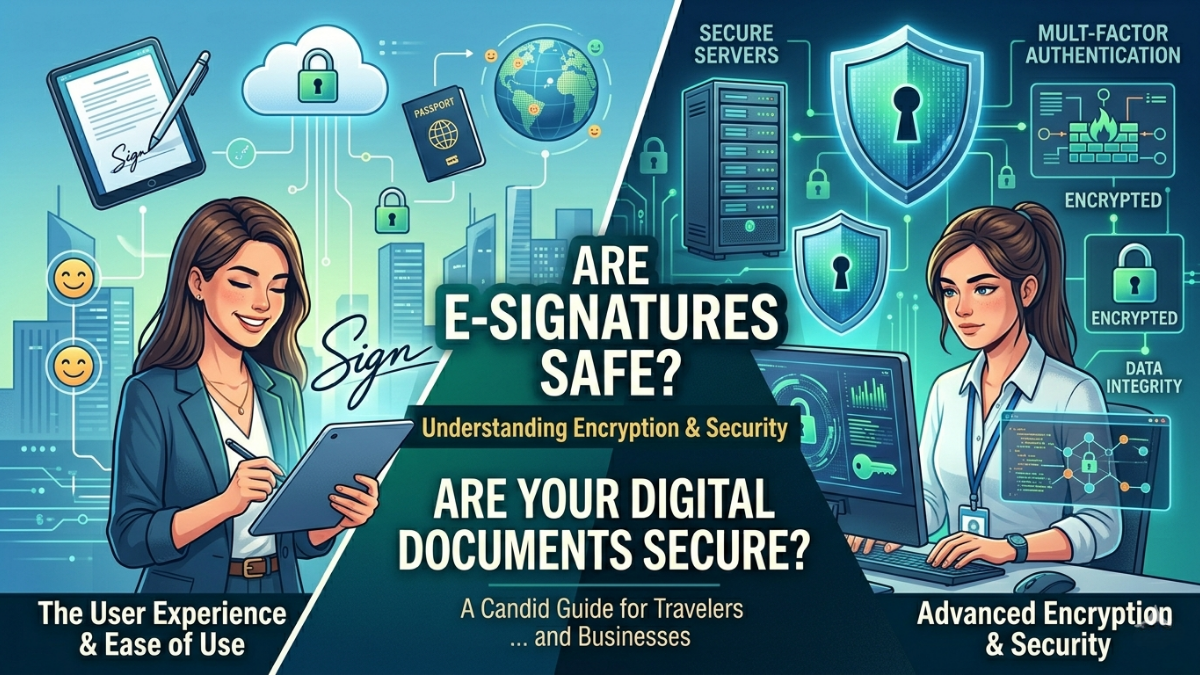
E-signatures have transformed the way we sign documents, making the process quick and efficient. However, the question remains: are they really secure?
Introduction
In a digital world where convenience often trumps caution, the safety of e-signatures is a pressing concern for businesses and individuals alike. With more transactions occurring online, understanding the security measures behind e-signatures is crucial.
E-signatures have transformed the way we sign documents, making the process quick and efficient. However, the question remains: are they really secure?
Consider these points:
- Encryption: Most e-signature platforms use advanced encryption methods to protect your data. For instance, RSA and AES encryption are commonly employed to safeguard sensitive information.
- Legal Validity: E-signatures are legally recognized in many countries, including the U.S. and EU, which adds a layer of trust to their use.
- Fraud Prevention: Many platforms include features like two-factor authentication and audit trails to enhance security.
In this article, we'll delve into how encryption strengthens e-signature security and explore best practices for ensuring your digital agreements remain safe. Understanding these elements will empower you to adopt e-signatures confidently and securely.
Understanding E-Signatures and Their Importance
E-signatures are digital equivalents of handwritten signatures, allowing individuals to sign documents electronically. They leverage cryptographic technology to ensure the authenticity and integrity of the signed documents.
Importance of E-Signatures:
- Convenience: E-signatures facilitate quick and easy signing of contracts and documents from anywhere, saving time and eliminating the need for physical paperwork.
- Legality: In many jurisdictions, e-signatures hold the same legal weight as traditional signatures, thanks to laws like the U.S. ESIGN Act and the EU’s eIDAS regulation.
- Security: Advanced encryption methods are used to protect the content of documents and the identities of the signers, reducing the risk of fraud.
Example: A small business using an e-signature platform reduced its contract turnaround time by 50%, enabling faster client onboarding.
Pro Tip: When choosing an e-signature solution, ensure it complies with local regulations and provides features like two-factor authentication for added security.
How E-Signature Encryption Technology Works
E-signature encryption technology plays a crucial role in securing digital signatures. The process involves several key steps to ensure that documents remain confidential and tamper-proof.
- Key Generation: Each user generates a unique pair of cryptographic keys: a public key and a private key. The private key is kept secret while the public key is shared with those who need to verify the signature.
- Signing Process: When a user signs a document, their private key is used to create a digital signature. This signature is then attached to the document, proving that it was signed by the holder of the private key.
- Verification: Recipients can verify the signature using the signer's public key. If the document has been altered in any way after signing, the verification process will fail, alerting the recipient to potential tampering.
A practical example is a real estate transaction. When a buyer signs a purchase agreement using an e-signature platform, the encryption ensures that only they can sign, and any changes made later can be detected.
Pro Tip: Always choose e-signature solutions that comply with regulations like the eIDAS in Europe or ESIGN Act in the U.S. to ensure that your signatures are legally binding and secure.
Types of Encryption Used in E-Signatures
E-signatures utilize various encryption methods to ensure the authenticity and integrity of documents. Understanding these types can help users feel more secure about using e-signatures.
- Symmetric Encryption: This method uses a single key for both encryption and decryption. While it’s fast, the challenge lies in securely sharing the key. For example, a business might use this for internal documents where all parties have access to the key.
- Asymmetric Encryption: Involves a pair of keys—public and private. The public key encrypts the document, while only the private key can decrypt it. This method is widely adopted in e-signatures, ensuring that only the intended recipient can access the signed document.
- Hashing: This technique converts data into a fixed-size string of characters, which cannot be reversed. Hashing verifies that a document hasn’t been altered post-signature. For instance, if a document is hashed before signing, any changes will render the hash invalid, alerting users to tampering.
Pro Tip: Always choose e-signature solutions that implement robust encryption standards, such as AES-256 or RSA-2048, to maximize security.
Digital Signature Safety: How Secure Are They?
Digital signatures leverage advanced cryptographic techniques to ensure the integrity and authenticity of documents. They offer a higher level of security compared to traditional signatures, primarily due to their use of encryption.
- Public Key Infrastructure (PKI): Digital signatures rely on PKI, which uses a pair of cryptographic keys—public and private. The private key signs the document, while the public key verifies the signature.
- Tamper Evidence: Any alteration of the signed document after it has been digitally signed will invalidate the signature, making it clear that tampering has occurred.
For example, a financial institution may require digital signatures for loan agreements. If someone attempts to modify the document after signing, the signature verification will fail, alerting both parties to the potential fraud.
Pro Tip: Always choose e-signature platforms that comply with regulatory standards like eIDAS in Europe or ESIGN in the U.S. This ensures that your digital signatures are legally binding and secure.
Despite their advantages, it’s essential to maintain best practices, such as regularly updating software and using strong passwords for private keys, to further enhance security.
Evaluating E-Signature Security Risks
When evaluating e-signature security risks, consider these key factors:
- Authentication Methods: Ensure that the platform offers strong user authentication options, such as two-factor authentication or biometric verification. For instance, Adobe Sign uses multiple layers of identity verification to enhance security.
- Encryption Standards: Look for services that implement end-to-end encryption, meaning documents are encrypted both in transit and at rest. This protects sensitive information from unauthorized access.
- Regulatory Compliance: Verify that the e-signature solution complies with relevant regulations, such as eIDAS in Europe or ESIGN and UETA in the United States. Compliance not only enhances security but also ensures legal validity.
- Audit Trails: Choose platforms that provide comprehensive audit trails. These logs should detail every action taken on the document, including timestamps and IP addresses, which can serve as evidence in case of disputes.
Pro Tip: Regularly review the security policies of the e-signature provider, as updates or changes can affect your risk profile. For example, a breach incident reported by a provider can be a red flag and warrant a reassessment of your security strategy.
Common Threats to Electronic Signature Protection
Electronic signatures, while generally secure, face several common threats that can compromise their integrity. Understanding these risks helps users take proactive measures to protect their documents.
- Phishing Attacks: Cybercriminals often create fake emails or websites that mimic legitimate e-signature platforms. For example, in a recent case, employees were tricked into signing a contract through a spoofed email, leading to significant data breaches.
- Weak Passwords: Many e-signature services require a password for access. Using weak or easily guessable passwords can expose sensitive documents to unauthorized access.
- Insecure Networks: Using public Wi-Fi to sign documents can be risky. Hackers can intercept data transmitted over unsecured networks. Always utilize a VPN when accessing e-signature platforms in public spaces.
- Insider Threats: Employees with access to sensitive documents may unintentionally or maliciously misuse their authority. Implementing strict access controls can mitigate this risk.
Pro Tip: Regularly update passwords and enable two-factor authentication (2FA) on e-signature accounts to bolster security against unauthorized access.
Is E-Signature Legally Secure?
E-signatures are legally binding in many jurisdictions, thanks to laws like the Electronic Signatures in Global and National Commerce Act (ESIGN) in the U.S. and the eIDAS Regulation in the EU. Here are some key points to consider regarding their legal security:
- Authentication: E-signature platforms often include features to verify the signer's identity, such as two-factor authentication or biometric recognition.
- Audit Trails: Many e-signature solutions provide a detailed audit trail, documenting the signing process, which can serve as evidence in legal disputes.
- Compliance Standards: Ensure your e-signature provider complies with relevant regulations. For instance, HIPAA-compliant signatures are essential in healthcare.
Pro tip: Always choose an e-signature solution that aligns with your industry’s legal requirements and consult with a legal expert to ensure compliance.
Example: A company in California used e-signatures to expedite their contract process while maintaining compliance with state laws. They experienced a 30% reduction in turnaround time and improved client satisfaction.
This illustrates the dual benefits of legal security and enhanced efficiency with e-signatures.
Legal Frameworks Supporting E-Signature Security
Several legal frameworks bolster the security and validity of e-signatures, ensuring they meet rigorous standards.
- ESIGN Act (2000): This U.S. legislation mandates that e-signatures have the same legal standing as handwritten ones. It enables electronic contracts to be enforceable in the same way as traditional contracts, provided that parties consent to using e-signatures.
- UETA (Uniform Electronic Transactions Act): Adopted by most U.S. states, UETA complements the ESIGN Act, promoting the use of electronic records and signatures in business transactions. It emphasizes that e-signatures cannot be denied legal effect solely because they are in electronic form.
- eIDAS Regulation (2016): In the European Union, the eIDAS Regulation establishes a legal framework for electronic signatures, requiring advanced signatures to be created using secure signature creation devices. This regulation enhances trust in online transactions across member states.
For businesses, ensuring compliance with these laws can boost customer confidence. Pro tip: Always check the specific e-signature regulations in your jurisdiction to ensure compliance.
Best Practices for E-Signature Data Security
- Use Strong Encryption: Ensure that the e-signature platform employs strong encryption protocols, such as AES-256. This level of encryption helps protect sensitive information during transmission and storage.
- Multi-Factor Authentication: Implement multi-factor authentication (MFA) for an additional layer of security. For example, requiring a password and a verification code sent to a mobile device can significantly reduce unauthorized access.
- Audit Trails: Choose a service that provides comprehensive audit trails. This feature logs every action taken on a document, enabling you to track who signed, when, and any changes made. This transparency is vital for legal compliance.
- Regular Security Updates: Make sure the platform regularly updates its security protocols. Outdated software can be a vulnerability. According to a recent report by Cybersecurity Ventures, 60% of data breaches stem from unpatched vulnerabilities.
- Data Storage Practices: Verify how and where your data is stored. Opt for solutions that store data in secure, compliant data centers. For instance, using providers that comply with GDPR or HIPAA adds an extra layer of protection.
Pro Tip: Always read the service provider’s security policy and ensure it aligns with your organization’s requirements. Regularly review these policies to stay ahead of potential threats.
Conclusion
Understanding the safety of e-signatures is crucial for businesses and individuals alike. As we’ve explored, the integration of encryption and security protocols greatly enhances the reliability of electronic signatures.
Key takeaways include:
- Encryption is Key: Utilizing advanced encryption methods ensures that sensitive information remains secure during the signing process.
- Compliance Matters: Familiarizing yourself with regulations such as ESIGN and UETA can help maintain legal integrity in your digital transactions.
- User Authentication: Implementing strong authentication methods, like two-factor authentication, adds an additional layer of protection.
Consider the case of a major tech company that adopted e-signatures. By employing a robust security strategy, they successfully reduced contract turnaround time by 50% while maintaining compliance, showcasing the efficiency and security that e-signatures can provide.
For businesses looking to implement e-signatures, remember these pro tips:
- Choose a reputable e-signature provider with a proven track record.
- Regularly update your security practices to adapt to evolving threats.
Embracing e-signatures can streamline your processes while ensuring safety, enabling you to focus on what truly matters—growing your business.
About the author

Santosh Shet
Santosh Shet is the Founder of Appyminds and a technology entrepreneur with over 20 years of experience in software development, web applications, mobile apps, AI solutions, and business automation. He helps businesses transform ideas into scalable digital products through modern web development, mobile applications, intelligent automation, and AI-powered solutions. Santosh regularly writes about artificial intelligence, software development, digital transformation, SaaS products, and emerging technology trends.