AI vs Traditional Website Design: Which One Wins?
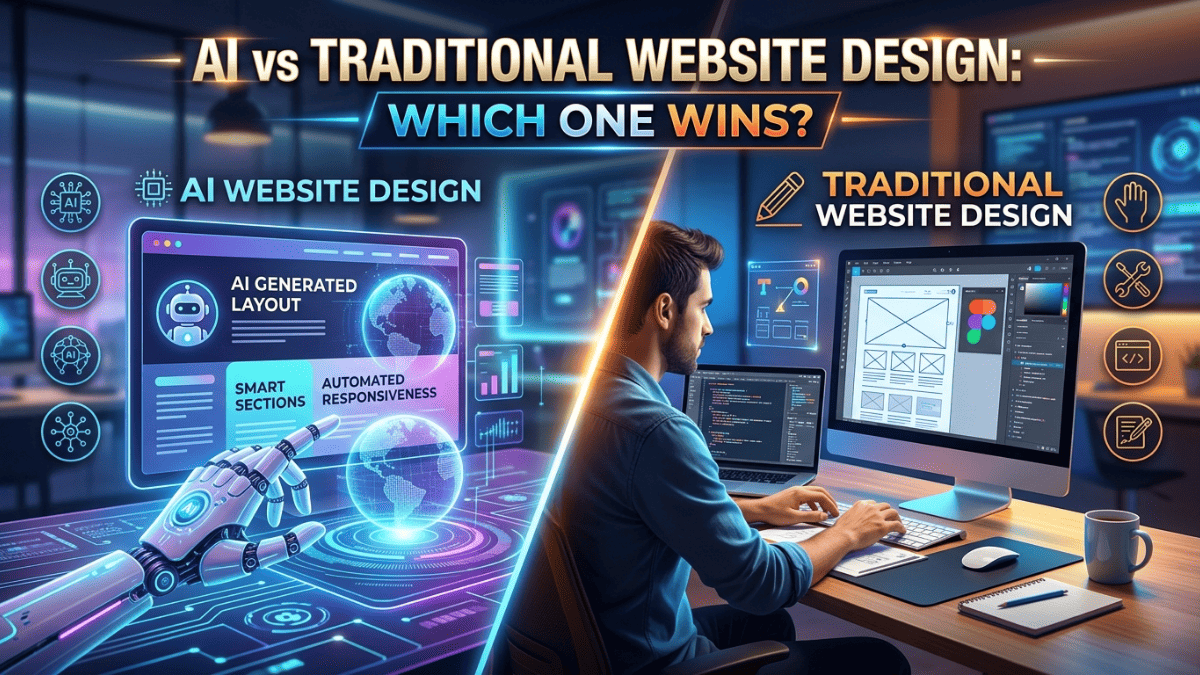
In the fast-evolving digital landscape, the debate between AI-driven and traditional website design is heating up. With businesses striving for a competitive edge, the choice between these two approaches can be pivotal.
Introduction
In the fast-evolving digital landscape, the debate between AI-driven and traditional website design is heating up. With businesses striving for a competitive edge, the choice between these two approaches can be pivotal.
Why the Shift?
- Cost-Effectiveness: AI design tools can significantly reduce costs by automating repetitive tasks.
- Speed: AI solutions can create websites in hours, whereas traditional methods may take weeks.
For instance, companies like Wix and Squarespace leverage AI to streamline the design process, allowing even those without technical skills to build stunning websites. Conversely, traditional design offers the personalized touch that comes with human intuition and creativity, which AI often lacks.
Pro Tip: Consider your business goals. If you need a quick, budget-friendly solution, AI might be your best bet. However, for complex, customized projects, traditional design still holds its ground.
As we delve deeper into this topic, we’ll explore the strengths and weaknesses of both approaches, helping you make an informed decision for your next website project.
Understanding AI in Website Design
AI has rapidly transformed the landscape of website design, offering innovative tools that enhance creativity and efficiency. By leveraging machine learning algorithms, AI can analyze user behavior, ensuring that websites are tailored to meet specific needs and preferences.
- Personalization: AI tools can create personalized user experiences by analyzing visitor data. For instance, platforms like Adobe Experience Cloud utilize AI to suggest content based on user interactions.
- Design Automation: With tools such as Wix ADI or Zyro, designers can generate entire website layouts automatically. This speeds up the design process and reduces the need for manual coding.
- A/B Testing: AI can facilitate continuous improvement through automated A/B testing. Websites like Optimizely use AI to determine which design elements perform better, optimizing user engagement.
Pro tip: Utilize AI-driven analytics to make informed decisions about design changes. Regularly reviewing these insights can significantly enhance user experience.
Real-world examples, such as Netflix, show how AI-driven recommendations can keep users engaged for longer periods, underscoring the potential impact of AI in web design.
How AI Website Design Works
AI website design utilizes algorithms and machine learning to automate and optimize the design process. how it works:
- Data Analysis: AI examines user data to identify patterns in behavior, preferences, and demographics. For instance, tools like Adobe Sensei analyze visitor interactions to suggest design tweaks that enhance user experience.
- Automated Design Generation: Through technologies like generative design, AI can create multiple design variations based on input parameters. A company may input brand colors and preferred layouts, and the AI generates several design prototypes in minutes.
- A/B Testing: AI automates A/B testing by continuously analyzing which design elements perform better. For example, it can adjust button colors or placements on-the-fly, optimizing for conversions without human intervention.
- Content Personalization: By leveraging user data, AI can deliver tailored content to individual users, increasing engagement. Companies such as Netflix use AI to personalize user interfaces based on viewing history.
Pro Tip: To maximize the benefits of AI design, integrate it with analytics tools. This allows for a better understanding of user behavior and informs future design decisions.
Key Features of AI Design Tools
- Speed and Efficiency: AI design tools can generate website layouts and elements in a fraction of the time it takes traditional methods. For example, tools like Wix ADI can create a fully functional website within minutes based on user preferences.
- Personalization: These tools analyze user data to tailor designs that resonate with target audiences. A/B testing features allow designers to refine layouts based on real-time feedback, enhancing user experience effectively.
- Cost-Effectiveness: By automating many design processes, AI tools reduce the need for extensive manual labor, resulting in lower costs. Startups and small businesses, like a local bakery using Canva for promotional materials, can achieve professional designs without breaking the bank.
- Integration of Advanced Technologies: AI design tools often incorporate features such as voice search optimization and responsive design, ensuring websites are future-ready. For example, Adobe Sensei uses machine learning to automate repetitive tasks, freeing designers to focus on creativity.
- Pro Tip: Leverage AI tools to create multiple design variations quickly. This allows you to gather user feedback and make informed adjustments, improving overall design effectiveness.
Traditional Website Design Explained
Traditional website design revolves around a structured approach, utilizing pre-defined processes and expert craftsmanship. Designers create custom layouts and thoroughly plan each aspect of the site.
Key characteristics include:
- Custom Designs: Websites are tailored to meet specific client needs. For example, a local bakery might feature warm colors and images of fresh pastries to convey a welcoming atmosphere.
- User-Centric Approach: Emphasis is placed on user experience (UX), ensuring that navigation is intuitive and content is easily accessible.
- Responsive Design: Traditional designs often incorporate responsive elements to ensure compatibility across devices, improving usability on both desktops and smartphones.
However, traditional design can be time-consuming and costly. A project could take weeks or months, depending on complexity.
Pro Tip: Streamline your design process by using wireframes. This helps visualize the layout before diving into development, saving time and potentially reducing costs.
In summary, while traditional website design offers custom solutions and a focus on user experience, it may not always be the fastest or most budget-friendly option in the current digital landscape.
The Human Touch in Web Design
The human touch in web design plays a crucial role in how users perceive and engage with a website. While AI can generate designs based on data, it often lacks the emotional intelligence that a human designer brings.
- Empathy: Human designers understand user pain points and create emotional connections through personalized experiences. For instance, a nonprofit organization’s website designed by humans can effectively communicate its mission with heartfelt imagery and storytelling.
- Creativity: Originality shines when humans are involved. A web design firm that creates unique, artistic layouts can stand out in a saturated market, while AI tends to replicate existing trends.
- User Experience: Humans can better anticipate user needs and preferences, tailoring interactions that feel intuitive. For example, a website for a local bakery might feature a warm color palette and whimsical fonts to evoke a welcoming atmosphere.
Pro Tips:
- Incorporate user feedback into the design process to enhance relatability.
- Blend innovative design with traditional elements for a unique aesthetic.
Incorporating the human touch can lead to increased user satisfaction and loyalty, ultimately driving better results for businesses.
Common Techniques in Traditional Design
Traditional website design relies on foundational techniques that have stood the test of time. These methods emphasize user experience, aesthetics, and functionality.
- Wireframing: Designers create a blueprint of the site structure, focusing on the layout and navigation. For example, a wireframe for an e-commerce site might prioritize product categories and a simple checkout process.
- Responsive Design: This approach ensures that websites look good on various devices. A classic case is the redesign of a local restaurant’s website, making it mobile-friendly, which increased reservations by 30%.
- User Testing: Gathering feedback through user testing helps identify usability issues. A/B testing different design elements, like button colors, can significantly affect conversion rates.
- Consistent Branding: Maintaining a cohesive brand image across all web pages reinforces brand identity. This includes using the same color schemes, fonts, and tone of voice.
Pro Tip: Always keep accessibility in mind. Ensuring your site is usable for people with disabilities can expand your audience and improve overall user satisfaction.
AI Website Design vs Human Web Design Comparison
When comparing AI website design and human web design, several factors come into play, influencing both the process and the outcome.
- Speed vs. Creativity: AI can generate designs rapidly, often within minutes. For instance, platforms like Wix ADI create tailored websites based on user input. Meanwhile, human designers might take longer but provide unique, creative insights that resonate with a brand’s identity.
- Cost-Effectiveness: AI solutions often come at a lower cost. A basic website designed using AI could start as low as $10/month. In contrast, hiring a professional designer typically ranges from $1,000 to $10,000, depending on complexity.
- Customization: Human designers excel in customization, understanding client nuances and brand storytelling. AI, though improving, may struggle to capture intricate details that define a brand.
- User Experience: Human designers prioritize user experience through tested design principles, which can result in more engaging websites. AI may overlook subtle user preferences.
Pro Tip: Consider combining both approaches. Use AI for initial drafts or ideas and then refine them with a human touch for a perfect balance of efficiency and creativity.
Strengths and Weaknesses of AI Design
Strengths of AI Design:
- Speed: AI tools can generate multiple design options in minutes. For instance, platforms like Wix ADI can create a professional-looking website in under an hour.
- Cost-Effectiveness: Businesses can save on hiring expensive designers. AI design tools often have subscription models that are more budget-friendly for startups.
- Data-Driven Insights: AI analyzes user behavior and preferences to suggest designs that are more likely to convert. According to a 2024 survey by Statista, websites designed with AI saw a 30% increase in user engagement.
- Consistency: AI ensures uniformity in design elements, making it easier to maintain a cohesive brand identity.
Weaknesses of AI Design:
- Limited Creativity: While AI can mimic styles, it often lacks the human touch and innovation seen in traditional designs. For example, a unique artistic flair in a bespoke website may not translate well through AI.
- Over-Optimization: AI might focus too heavily on data, leading to designs that prioritize metrics over user experience. This could result in a sterile feel that doesn't resonate with the audience.
- Dependency on Data: If the input data is flawed or biased, the output designs may also reflect these issues, potentially alienating target audiences.
Pro Tips:
- Combine AI design tools with human oversight to ensure creativity and personalization.
- Regularly update your data inputs to keep designs relevant and engaging.
Advantages and Limitations of Traditional Design
Advantages of Traditional Design:
- Creativity and Customization: Traditional design allows for high levels of creativity and customization. Designers can use unique elements tailored specifically to the brand, like Coca-Cola's iconic red and white palette, which is instantly recognizable.
- Human Touch: The human element in traditional design often resonates more with audiences. For instance, handcrafted illustrations can evoke emotions that automated designs sometimes miss.
- In-depth Understanding of Client Needs: Designers can engage with clients directly, gathering nuanced feedback. This interaction often leads to designs that truly reflect the client's vision.
Limitations of Traditional Design:
- Time-Consuming: The traditional design process can be lengthy. For example, developing a logo might take weeks, delaying the launch of a brand.
- Higher Costs: Custom designs often require more time and resources, which can lead to higher costs compared to automated solutions. Startups, in particular, may find this challenging.
- Scalability Issues: Once a design is finalized, making changes can be cumbersome. If a company decides to pivot its branding, it may require starting from scratch.
Pro Tip: For businesses with tight budgets, consider blending traditional design elements with modern tools to balance cost and creativity.
Benefits of AI Website Design for Businesses
AI website design offers numerous benefits that can significantly enhance business operations and user engagement.
- Efficiency: AI tools streamline the design process, reducing development time from weeks to days. For example, tools like Wix ADI can create a fully functional website based on user preferences in minutes.
- Personalization: AI algorithms analyze user behavior to tailor content and layout, improving user experience. Brands like Netflix utilize AI to recommend content, keeping users engaged longer.
- Cost-Effectiveness: By automating various design elements, businesses can save on hiring costs. A small business that uses AI design can allocate saved resources to marketing or product development.
- Data-Driven Insights: AI collects and analyzes visitor data, providing actionable insights. For instance, Google Analytics uses AI to predict user trends, helping businesses adjust their strategies accordingly.
- Continuous Improvement: AI systems learn and evolve, ensuring that your website stays relevant. Regular updates based on user feedback can optimize functionality and design over time.
Pro Tip: Implement chatbots powered by AI to improve customer service on your site, providing instant responses to user inquiries.
Conclusion
Both AI and traditional website design offer unique advantages that cater to different needs and preferences.
- AI-driven design excels in speed and efficiency, allowing for quick iterations and personalized user experiences. For instance, platforms like Wix ADI can generate a functional website in minutes based on user inputs.
- Traditional design, however, offers a level of customization and human touch that AI struggles to replicate. Working with a designer often ensures that brand identity and specific requirements are considered meticulously.
Key takeaways include:
- Cost-Effectiveness: AI tools are generally more budget-friendly, making them a great option for startups.
- Quality and Customization: Traditional methods, while more expensive, provide tailored solutions that align closely with business goals.
Pro Tip: Consider your project’s scope. For small projects, AI might be sufficient. For complex needs, investing in traditional design could yield better long-term results.
Ultimately, the choice hinges on your specific requirements, budget constraints, and the importance of personalization in your branding strategy. Explore both options to determine which aligns best with your vision.
About the author

Santosh Shet
Santosh Shet is the Founder of Appyminds and a technology entrepreneur with over 20 years of experience in software development, web applications, mobile apps, AI solutions, and business automation. He helps businesses transform ideas into scalable digital products through modern web development, mobile applications, intelligent automation, and AI-powered solutions. Santosh regularly writes about artificial intelligence, software development, digital transformation, SaaS products, and emerging technology trends.