9 ways AI Improves Website Speed, SEO, and User Experience
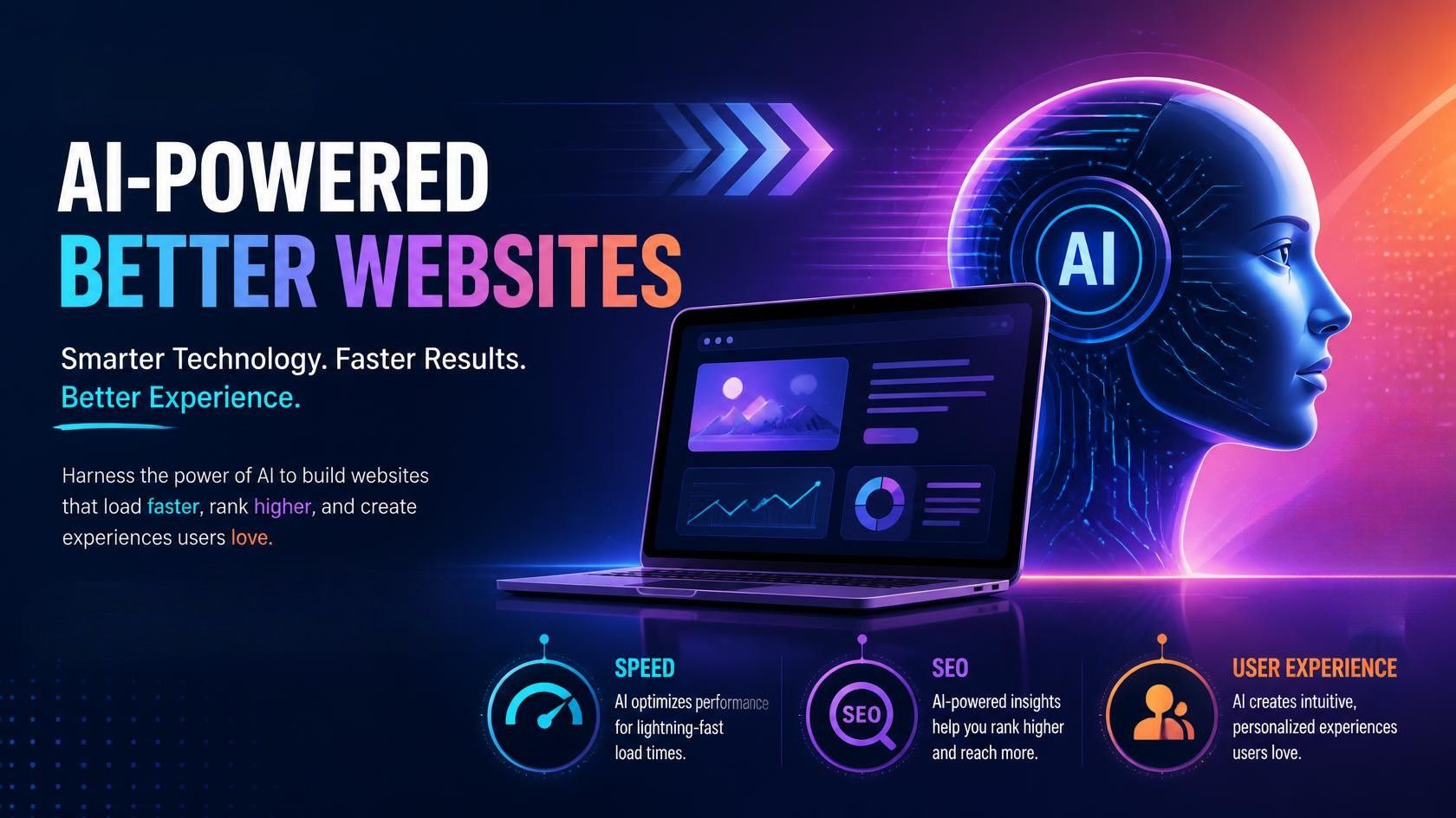
Discover 9 ways AI can improve website speed, SEO, and user experience while helping businesses create faster, smarter, and more effective websites.
Introduction
Imagine your website loading in the blink of an eye—what if you could enhance your speed, improve SEO, and create a seamless user experience all at once? With the rapid advancements in artificial intelligence, achieving this is no longer a distant dream.
AI technologies are reshaping how websites perform, ensuring they meet the expectations of an increasingly impatient audience. In fact, a 2023 study found that 53% of mobile users abandon sites that take longer than three seconds to load. The stakes are high, and leveraging AI can make a significant difference.
Consider these benefits of AI in web optimization:
- Speed enhancements through intelligent caching and content delivery networks.
- SEO improvements with better keyword analysis and content optimization.
- User experience enrichment via personalized content and chatbots.
This article dives into nine powerful ways AI can supercharge your website, ensuring it not only keeps pace with, but exceeds, user expectations. Let's explore how to harness this technology for optimal results!
The Role of AI in Website Performance
AI technologies are transforming how we optimize website performance. By leveraging machine learning and data analytics, websites can analyze user behavior and improve load times effectively.
- Content Optimization: AI tools can analyze which keywords perform best and suggest changes to improve SEO. For instance, tools like Clearscope help identify related terms that boost content relevance and search rankings.
- Image and Resource Management: Through AI, websites can automate image compression and resource loading. Plugins like TinyPNG utilize AI algorithms to reduce file sizes without sacrificing quality, enhancing page speed.
- Personalized Experiences: AI can dynamically alter content based on user preferences or behavior. For example, Netflix uses AI algorithms to recommend shows, which helps in retaining users and reducing bounce rates.
Pro Tip: Regularly monitor your website's performance using AI-driven analytics tools like Google Analytics or Hotjar. This will help identify speed bottlenecks and enhance user experience continuously.
By integrating these AI capabilities, businesses can significantly enhance their website's performance, leading to better SEO outcomes and a smoother user experience.
AI-Powered Website Speed Optimization
AI technology significantly enhances website speed optimization, making it crucial for improved user experience. Here are several ways AI contributes:
- Predictive Caching: AI algorithms analyze user behavior and predict which pages will be accessed next, preloading them in advance. For instance, e-commerce sites can enhance user experience by preloading product pages based on previous searches.
- Image Optimization: AI tools automatically compress images without sacrificing quality. Services like TinyPNG utilize AI to reduce load times, leading to faster websites and improved SEO rankings.
- Content Delivery Network (CDN) Optimization: AI can optimize CDN usage by dynamically routing content based on user location and network conditions. For example, Cloudflare’s AI-driven CDN adapts delivery strategies based on real-time data, ensuring swift content access.
- JavaScript and CSS Minimization: AI can identify and eliminate unnecessary code, enhancing loading speeds. Tools like Google PageSpeed Insights use AI to suggest which scripts can be optimized or deferred.
Pro tip: Regularly monitor page speed using tools like GTmetrix or Pingdom to identify areas for AI-driven optimization. Implementing even minor changes can lead to significant performance improvements.
AI Tools for Enhancing SEO
AI tools are revolutionizing how we approach SEO by offering insights and automation that enhance efficiency and effectiveness. Here are some impactful AI tools and their applications:
- Content Optimization Tools: Platforms like Surfer SEO analyze top-ranking competitors to suggest keywords, content structure, and even readability improvements. This ensures your content meets both user intent and search engine requirements.
- Keyword Research: Tools such as Ahrefs and SEMrush now integrate AI algorithms to predict keyword performance and identify trending topics. For instance, using SEMrush can help uncover long-tail keywords that drive more targeted traffic.
- Technical SEO Audits: AI-driven tools like DeepCrawl automate site audits, identifying issues such as broken links, duplicate content, and slow page speeds. Regular audits can lead to significant improvements in search engine rankings.
- Personalization Engines: AI can analyze user behavior to personalize content delivery. For example, Dynamic Yield allows websites to tailor content based on visitor data, enhancing user engagement and reducing bounce rates.
Pro Tip: Integrate these AI tools into your workflow to continuously monitor and optimize your SEO strategy, ensuring your website remains competitive in the ever-evolving digital landscape.
AI and User Experience Enhancement
AI technologies significantly enhance user experience by personalizing interactions and improving website functionality. By analyzing user behavior, AI can tailor content and recommendations to individual preferences.
- Personalized Content: AI algorithms analyze user data to display relevant articles, products, or services. For instance, Netflix uses AI to recommend shows based on viewing history, increasing user engagement and retention.
- Chatbots and Virtual Assistants: Implementing AI-driven chatbots provides instant responses to user queries. For example, a retail website with a chatbot can assist customers, reducing bounce rates and improving customer satisfaction.
- Predictive Analytics: AI can forecast user needs by analyzing past behavior. E-commerce platforms like Amazon utilize predictive analytics to suggest items users are likely to purchase, enhancing the shopping experience.
Pro Tip: Integrate AI tools that monitor user interactions in real time, allowing for immediate adjustments to content and layout. This responsiveness can lead to lower bounce rates and higher conversion rates.
According to a 2024 survey by Statista, businesses using AI for user experience reported a 30% increase in customer retention. This showcases the tangible benefits of leveraging AI in enhancing user interactions on websites.
AI Website Analytics for Performance Tracking
AI-powered website analytics tools provide invaluable insights for tracking performance and optimizing user experience. These tools leverage machine learning algorithms to analyze vast amounts of data, offering precise metrics about website traffic, user behavior, and engagement.
- Real-time data processing: Unlike traditional analytics, AI tools can analyze data in real-time, allowing for immediate adjustments. For example, if a particular page has a high bounce rate, AI can help identify the issue promptly.
- User behavior prediction: AI can predict future actions based on historical data. For instance, if a user frequently browses products in a specific category, AI can suggest similar items, enhancing user experience and potentially increasing conversions.
- Automated reporting: With AI, generating insightful reports becomes effortless. Tools like Google Analytics 4 utilize AI to summarize data trends, helping you quickly identify areas needing attention.
Pro tip: Implement AI analytics tools like Hotjar or Mixpanel to gain deeper insights into user behavior. Regularly check these analytics to make informed decisions that enhance both speed and SEO, ultimately leading to better user satisfaction.
Improving Core Web Vitals with AI
AI can significantly enhance your website's Core Web Vitals, which are essential for SEO and user experience. By leveraging AI tools, you can optimize loading times, interactivity, and visual stability.
- Automated Image Optimization: AI algorithms can automatically compress and resize images without sacrificing quality. For instance, tools like TinyPNG utilize AI to reduce image file sizes, improving loading speed.
- Content Delivery Optimization: AI can analyze user behavior and dynamically serve content from the nearest server location. This reduces latency and boosts load times. Companies like Cloudflare use AI to optimize content delivery networks effectively.
- Real-Time Performance Monitoring: AI-driven analytics can track Core Web Vitals metrics continuously, allowing for instant adjustments. Tools like Google PageSpeed Insights provide actionable insights on what needs improvement.
Pro Tip: Regularly review your website’s Core Web Vitals using AI tools and prioritize fixes based on user impact. Focus on optimizing Largest Contentful Paint (LCP) and First Input Delay (FID) for immediate gains in user experience and SEO rankings.
Implementing these AI strategies can lead to a more responsive, visually appealing, and faster website.
AI Personalization for Better Engagement
AI-driven personalization tailors user experiences, which significantly enhances engagement on websites. By analyzing user behavior, preferences, and demographics, AI can deliver customized content that resonates with individual visitors.
- Dynamic Content: AI can adjust website visuals, text, and recommendations based on user interactions. For instance, an online bookstore might suggest titles based on previous purchases.
- Predictive Analytics: Utilizing data, AI predicts what users are likely to seek, enabling proactive content delivery. For example, if a user frequently browses travel articles, the site can highlight related deals or destinations.
Pro Tip: Implement A/B testing to measure the effectiveness of personalized content. This allows you to refine strategies based on quantitative feedback.
In a case study by McKinsey, companies that adopted AI-driven personalization saw an increase in engagement rates by up to 20%. Such improvements not only boost user satisfaction but also enhance SEO rankings, as search engines favor sites with higher interaction metrics.
Leveraging AI for Mobile Optimization
AI plays a pivotal role in enhancing mobile optimization, ensuring that users have a seamless experience on their devices. Here are a few ways AI contributes:
- Personalized User Experiences: AI analyzes user behavior and preferences to tailor content specifically for mobile users. For instance, Netflix uses AI algorithms to recommend shows based on viewing habits, improving engagement on mobile devices.
- Adaptive Design: AI-driven tools can automatically adjust website layouts based on screen size and resolution. This ensures that regardless of device, the website remains user-friendly and visually appealing.
- Speed Optimization: With AI tools like Google PageSpeed Insights, developers can pinpoint slow-loading elements and optimize them. For example, implementing lazy loading for images can significantly enhance mobile load times.
- Voice Search Optimization: As mobile voice search becomes more prevalent, AI helps optimize content for natural language queries. Businesses adopting this strategy have reported a noticeable increase in mobile traffic.
Pro Tip: Regularly test your website's mobile performance using tools like GTmetrix or Lighthouse to ensure optimal loading times and user experience.
AI in Content Delivery Networks (CDNs)
AI is transforming Content Delivery Networks (CDNs) by optimizing how content is distributed and accessed. By leveraging machine learning algorithms, CDNs can analyze user behavior and dynamically adjust content delivery paths, ensuring faster load times.
- Predictive Caching: AI can predict which content is likely to be accessed based on user trends, caching it closer to the user to enhance speed.
- Intelligent Load Balancing: With AI, CDNs manage traffic more efficiently, distributing requests across multiple servers to prevent overload and reduce latency.
For instance, Cloudflare’s AI-driven optimization techniques have shown to reduce page load times by up to 30% during peak traffic periods.
Pro Tip: Regularly analyze CDN performance metrics to identify opportunities for AI enhancements, such as adjusting caching strategies based on seasonal traffic changes.
Integrating AI into your CDN not only speeds up content delivery but also improves overall user experience, leading to lower bounce rates and higher engagement. According to a 2024 survey by Statista, websites that utilize AI in their CDNs report a significant increase in user satisfaction.
Future Trends in AI-Powered Websites
As AI technology continues to evolve, its integration with websites is expected to bring several exciting trends:
- Personalization at Scale: AI will enable websites to deliver hyper-personalized experiences by analyzing user behavior and preferences in real-time. For instance, e-commerce platforms can tailor product recommendations based on browsing history and past purchases, significantly boosting conversion rates.
- Voice Search Optimization: With the rise of voice-activated devices, optimizing websites for voice search will become crucial. AI can analyze common voice queries, allowing businesses to adjust their SEO strategies effectively, making content more accessible.
- Chatbots and Virtual Assistants: These AI tools will continue to enhance user engagement by providing immediate responses to inquiries. Companies like Zendesk have reported that chatbots can handle up to 80% of customer queries, freeing up human agents for complex issues.
- Predictive Analytics: Websites will increasingly use AI to predict user behavior and trends. By leveraging data analytics, businesses can proactively optimize their site layout and content to improve user experience.
Pro Tip: Regularly update your site's AI features to stay ahead of trends, as user expectations evolve quickly.
Conclusion
Incorporating AI into your website strategy can lead to significant improvements in speed, SEO, and overall user experience. Here are the key takeaways:
- Enhanced Speed: AI-driven caching and content delivery networks can drastically reduce load times, keeping users engaged.
- SEO Optimization: Tools like AI-based keyword analysis can help refine your content strategy, ensuring better visibility in search engines.
- Personalized User Experience: Leveraging AI for user behavior analysis allows for tailored content recommendations, increasing user satisfaction and retention.
Pro Tip: Regularly assess AI tools to ensure they align with your business goals. Case studies show that companies like Netflix and Spotify have seen a rise in user engagement by employing AI for personalization.
By adopting these strategies, you can create a more efficient and user-friendly website that meets the demands of modern users. Start exploring AI solutions today to stay ahead of the competition and enhance your digital presence!
About the author

Santosh Shet
Santosh Shet is the Founder of Appyminds and a technology entrepreneur with over 20 years of experience in software development, web applications, mobile apps, AI solutions, and business automation. He helps businesses transform ideas into scalable digital products through modern web development, mobile applications, intelligent automation, and AI-powered solutions. Santosh regularly writes about artificial intelligence, software development, digital transformation, SaaS products, and emerging technology trends.